

«Данное сообщение (материал) создано и (или) распространено иностранным средством массовой информации, выполняющим функции иностранного агента, и (или) российским юридическим лицом, выполняющим функции иностранного агента»
 Topic: Nuclear Energy, and Three Questions Podcast Blog Brand: Energy World Region: Americas Tags: Advanced Nuclear Reactors, France, North America, Nuclear Fuel, Nuclear Regulatory Commission (NRC), Plutonium, Russia, Small Modular Reactors (SMRs), United States, and Uranium Why the US Should Recycle Its Used Nuclear Fuel April 20, 2026 By: Paul J. Saunders, and Dr. Christina Leggett
Share
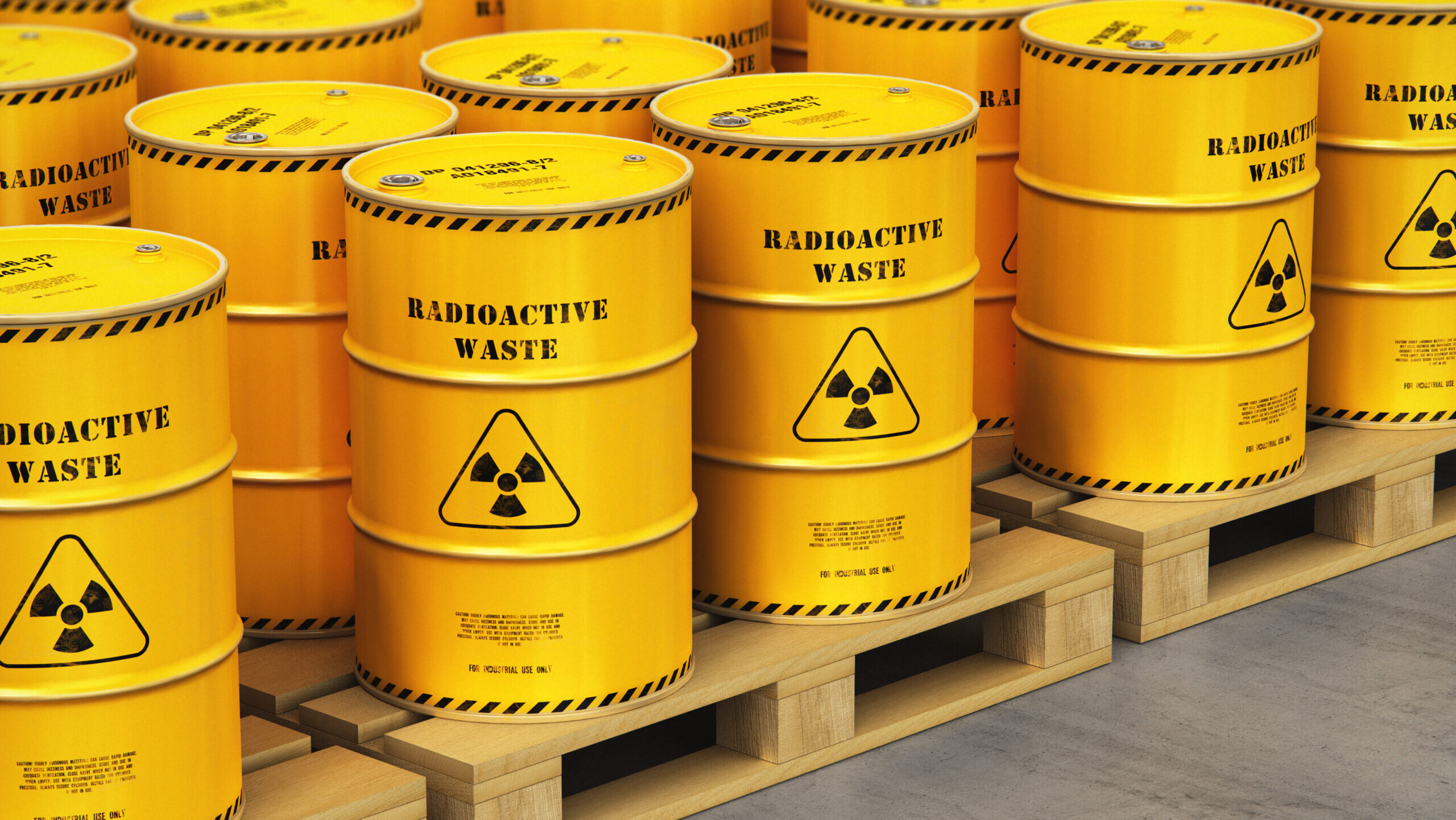
Used nuclear fuel could transform how the United States manages its nuclear waste, fuels its next-generation reactors, and competes geopolitically.
The United States has approximately 94,000 metric tons of used nuclear fuel stored at sites across the country. Rather than treating this material as waste, a new paper, The Case of Commercial Recycling of Used Nuclear Fuel, by the Energy Innovation Reform Project (EIRP) argues it should be used as a strategic resource that contains recoverable uranium, plutonium, and other actinides that could fuel the next generation of advanced reactors and be used in other applications such as medical isotopes.
In this episode of Three Questions, Paul Saunders speaks with Dr. Christina Leggett, Director of Fuel Cycle Technology at Oklo, to discuss the opportunities and challenges of nuclear fuel recycling.
Demand for nuclear fuel is greater today than in prior decades. More countries are building or are interested in building nuclear reactors, given its potential as a clean electricity source. China alone is building over 30 nuclear reactors. At the same time, Russia’s invasion of Ukraine disrupted existing fuel supply chains, and the growing need for high-assay low-enriched uranium (HALEU) to power advanced reactors has created new pressures.
Proliferation concerns are also less acute as modern techniques co-recover plutonium alongside uranium and other actinides, making the output far less weapons-suitable than Cold War-era reprocessing.
While other countries, such as France, Japan, and Russia, have their own state-owned recycling facilities, the US model relies on the private sector execution with government support. Modernizing the Nuclear Regulatory Commission’s (NRC) regulatory framework could help streamline and accelerate the licensing and deployment of advanced nuclear recycling facilities, much as current NRC efforts aim to do for advanced reactors.
Listen now on Apple, Spotify, or wherever you get your podcasts.
About the Authors: Paul J. Saunders and Dr. Christina Leggett
Paul J. Saunders is president of the Center for the National Interest and publisher of The National Interest. His expertise spans US foreign and security policy, energy security and climate change, US-Russia relations and Russian foreign policy, and US relations with Japan and South Korea. Saunders is a senior advisor at the Energy Innovation Reform Project, where he served as president from 2019 to 2024. He has been a member of EIRP’s board of directors since 2013 and served as chairman from 2014 to 2019. At EIRP, Saunders has focused on the collision between great-power competition and the energy transition, including issues such as energy security, energy technology competition, and climate policy in a divided world. His recent projects at EIRP have included an assessment of Russia’s evolving role in the global energy system and a study of the linkages between China’s energy, climate, and national security policies.
Dr. Christina Leggett is the Director of Fuel Cycle Technology at Oklo Inc, where she oversees the team that is designing Oklo’s Fuel Recycling Facility, which will be sited in Oak Ridge, TN. Prior to working at Oklo, she was a lead engineer at Booz Allen Hamilton, where she worked as a nuclear technology advisor for the Department of Energy’s (DOE’s) Advanced Research Projects Agency-Energy (ARPA-E).
The post Why the US Should Recycle Its Used Nuclear Fuel appeared first on The National Interest.
Источник: nationalinterest.org