

«Данное сообщение (материал) создано и (или) распространено иностранным средством массовой информации, выполняющим функции иностранного агента, и (или) российским юридическим лицом, выполняющим функции иностранного агента»
 Topic: Economy, Naval Warfare, and Oil and Gas Blog Brand: Middle East Watch Region: Middle East Tags: Donald Trump, Iran, Iran Nuclear Program, Iran War, MENA, Persian Gulf, Strait of Hormuz, and United States On the Strait of Hormuz, Who Will Blink First, the US or Iran? April 16, 2026 By: Lawrence J. Haas
Share
Iran’s economy is already crippled, but still resilient. The US economy is less threatened, but its political system is less tolerant of short-term economic pain.
With its blockade of the Strait of Hormuz now in place, Washington faces the twin challenge of maintaining it in the face of domestic and global pressures, and of convincing Tehran that—despite the stop-and-go nature of US action so far in the war—it has the intestinal fortitude to do so.
To be sure, the United States has the military resources to impose devastating costs on Iran’s economy, which was already teetering before the war began in late February and which continues to decline.
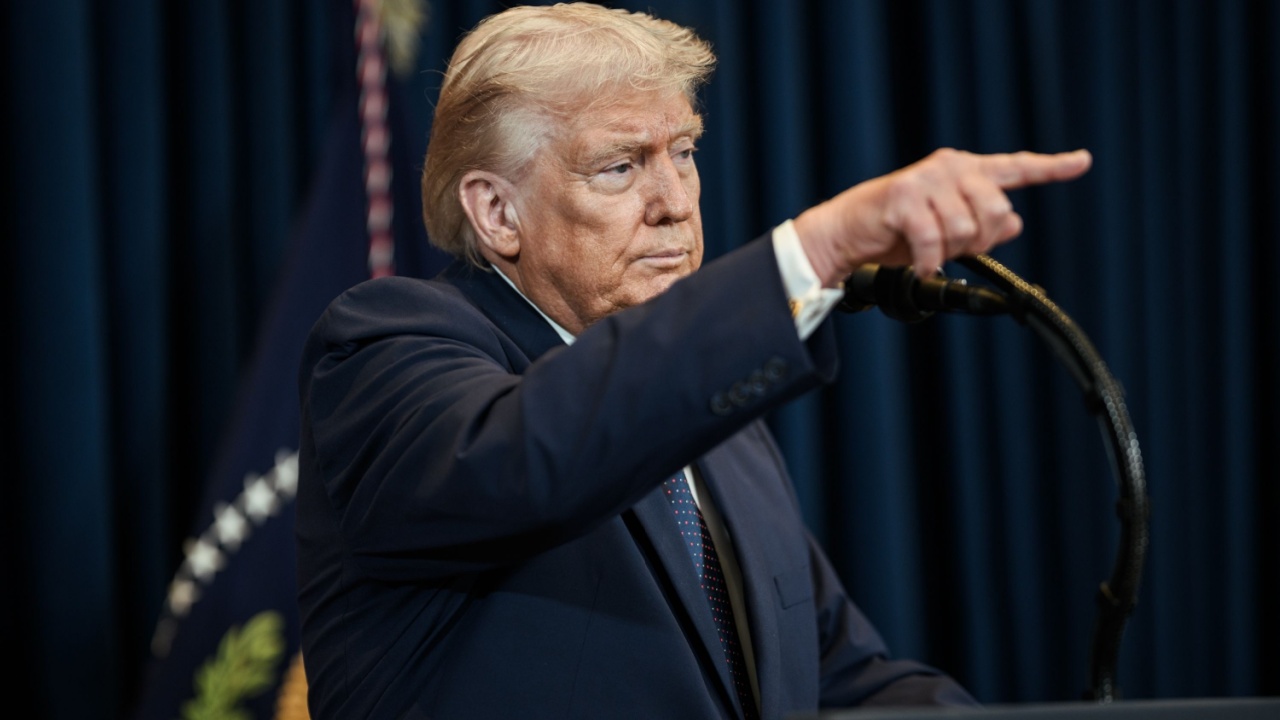
The question is whether Washington can withstand the blowback at home and abroad. At home, Americans have increasingly soured on the economy, the war with Iran is ever-more unpopular, President Donald Trump’s poll numbers are sinking, and the upcoming midterm elections could well cost Republicans their congressional majority. A continuing blockade and the higher gas prices it could bring would likely increase political pressure on Trump to end the conflict before Washington has achieved its goals.
Abroad, no Western ally has yet answered the president’s request to help with the blockade, regional powerhouse Saudi Arabia is urging him to reverse course to reduce the risk that Iran will “disrupt other important shipping routes” through which Riyadh exports oil, and he’s feuding over the war not only with allies but also with such influential figures as Pope Leo XIV, thereby risking support from “crucial Catholic swing voters.”
The Islamic Republic is clearly vulnerable. Before the war, as a result of decades of economic mismanagement and global sanctions, inflation in the Islamic Republic was approaching 70 percent. In comparison, the rial had lost 80 percent of its value over the last decade.
Now, by preventing all ships from entering or leaving Iranian ports, the US blockade can prohibit Iran’s regime from exporting oil or importing gasoline, deny it the funds to finance its terrorist proxies, and prevent China and Russia from supplying it with missiles. With more than 90 percent of its trade passing through the Persian Gulf, the stranglehold on exports and imports could cost Tehran an estimated $435 million per day, or $13 billion per month, in “economic damage.”
But will Washington hang tough? Tehran may be skeptical, given a half-century of US-Iranian relations, shifting American goals during the war, and early signals from the White House about the nature of the blockade.
Once again, Washington and Tehran are at the negotiating table over the latter’s nuclear pursuits, just as they were under Presidents George W. Bush, Barack Obama, and Joe Biden. That could bolster Iranian hopes that, once again, they will be able to drag out talks, outsmart US negotiators, and cut a deal that keeps their nuclear infrastructure in place—especially with Trump facing all the domestic and international pressures mentioned above.
While Iranian intransigence at the recent talks in Islamabad convinced Washington to impose the blockade, Trump said talks will likely resume in the coming days, and both sides are preparing for a second round. Tehran clearly knows what it wants—to maintain its nuclear program one way or the other—but the same may not be true about Washington.
The president previously demanded that Iran scrap its nuclear program altogether and “commit never to pursue nuclear weapons.” But, in Islamabad, the two sides were haggling over the length of a time-limited “suspension” of nuclear activity. Now, the president has disavowed the US offer and reiterated his maximalist demand. This sort of fluctuation could further buoy Iranian confidence.
As for the blockade, Tehran may have reason to wonder about America’s staying power and the practical difficulties of patrolling the seas. US Naval forces are reportedly enforcing the blockade not in the Strait but in the Gulf of Oman and Arabian Sea, which “reduces the risk of Iranian attacks against the US Navy” but leaves “all the energy infrastructure in the Gulf…vulnerable.”
US military officials say no ships from Iranian ports moved through the blockade in the first 24 hours, but reports suggest that some Iran-linked ships, including a US-sanctioned Chinese tanker, passed through the Strait despite the blockade. Whether Washington will risk a military confrontation with Beijing, especially as Trump prepares to meet with Chinese leader Xi Jinping next month, is an open question.
Moreover, maintaining the blockade may prove challenging even without the risk of such a confrontation. To avoid detection, ships are starting to go dark or falsify their origin or destination—as Russia has done to great effect with its “shadow fleet” following its 2022 invasion of Ukraine and the imposition of Western sanctions.
To be clear, an effective US blockade over time would severely cripple, if not destroy, Iran’s increasingly troubled economy. But the blockade will impose some costs on the United States as well. The question is, who will hang tough, Washington or Tehran?
About the Author: Lawrence Haas
Lawrence J. Haas is a senior fellow at the American Foreign Policy Council and the author of, among other books, Harry and Arthur: Truman, Vandenberg, and the Partnership That Created the Free World. Haas writes widely on foreign affairs, is quoted often in newspapers and magazines, and appears frequently on TV and radio. Previously, he was communications director for Vice President Al Gore and, before that, for the Office of Management and Budget.
The post On the Strait of Hormuz, Who Will Blink First, the US or Iran? appeared first on The National Interest.
Источник: nationalinterest.org