
«Данное сообщение (материал) создано и (или) распространено иностранным средством массовой информации, выполняющим функции иностранного агента, и (или) российским юридическим лицом, выполняющим функции иностранного агента»
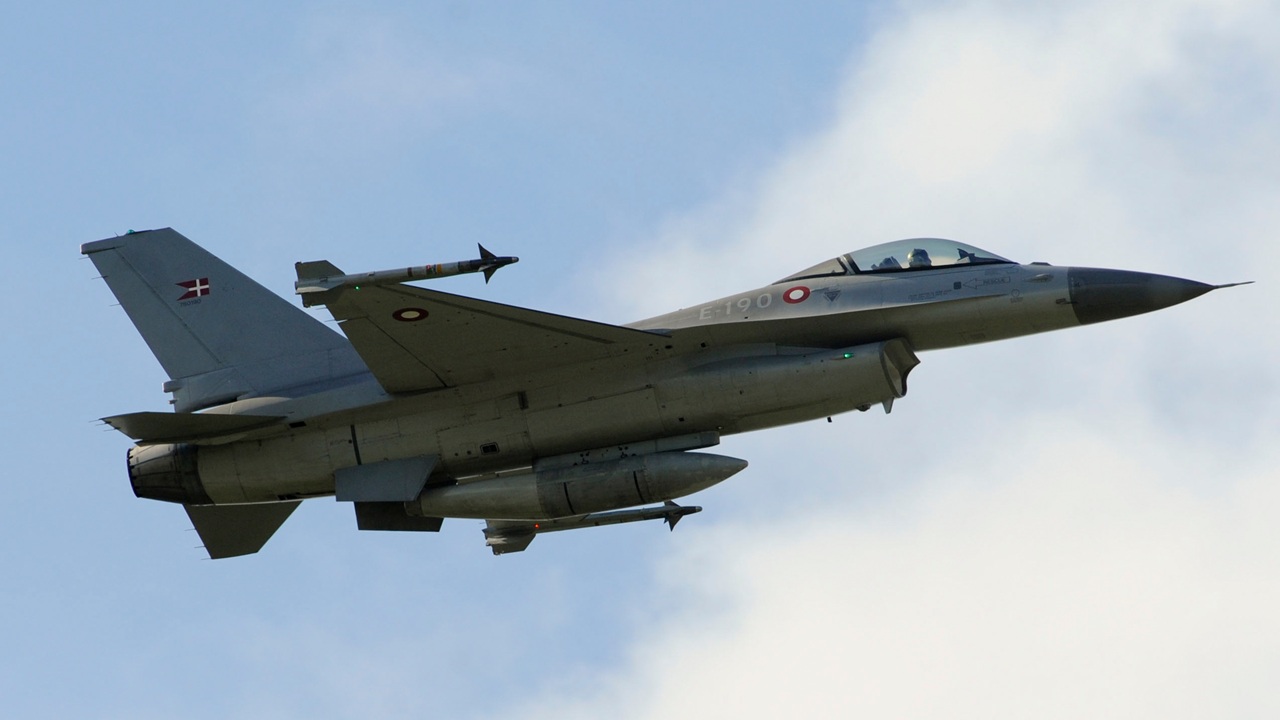
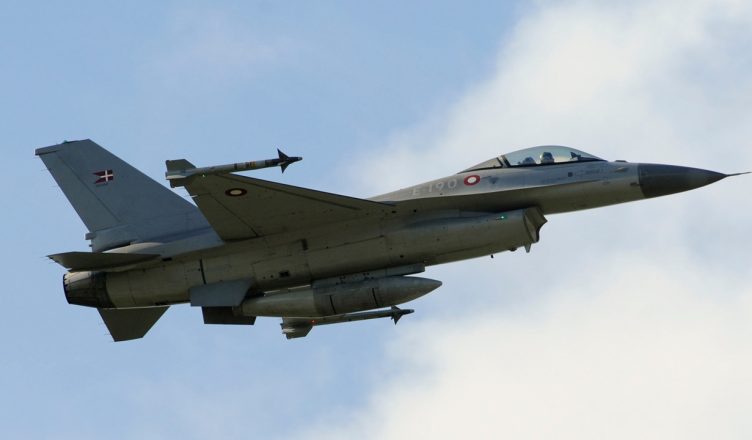
An F-16 Fighting Falcon of the Royal Danish Air Force flies during aerial exercises in Siauliai, Lithuania, in July 2019. Denmark recently sold its F-16 fleet to Argentina. (Shutterstock/Karolis Kavolelis)
Topic: Air Warfare Blog Brand: The Buzz Region: Americas, and Europe Tags: Aircraft, Argentina, Denmark, F-16 Fighting Falcon, Fighter Jets, Ukraine, Ukraine War, and United States Denmark Sold Its F-16s to Argentina Last Year. It Just Gave the Money to Ukraine. February 28, 2026 By: Peter Suciu
Share
The United States probably preferred the Danish sale to Argentina over a gift to Ukraine outright, as Buenos Aires is now tied to the US-made fighter jet.
In December, six F-16 Fighting Falcons flew south for the winter—all the way from Denmark to Argentina. The South American country purchased a total of 24 used Fighting Falcons from the NATO member in a deal finalized in 2024, valued at approximately $300 million. In addition to the aircraft, Argentina will receive training, logistical support, and simulators, with the United States serving as a facilitator.
Deliveries of the remaining aircraft will continue through 2028, but it was reported this week that the funds Copenhagen has received for the aircraft would be directed to a fund to support Ukraine.
Around 600 million Danish kroner ($86 million) will be transferred in 2026, complemented by 3.8 billion kroner ($545 million) already in Copenhagen’s Ukraine fund. Denmark has been one of the largest supporters of the embattled Eastern European nation since Russia launched its unprovoked invasion four years ago.
The F-16 Fighting Falcon’s Specifications
There are approximately 3,000 operational F-16s in service today with more than 25 countries—a testament to what is easily the world’s most successful, combat-proven multirole fighter jet ever produced.
- Year Introduced: 1978
- Number Built: 4,600+ (production ongoing)
- Length: 47 ft 8 in (14.52 m)
- Wingspan: 31 ft (9.45 m)
- Weight (MTOW): 37,500 lbs (16,875 kg)
- Engine: One Pratt & Whitney F100-PW-220 afterburning turbofan (23,000 lbf thrust static sea level)
- Top Speed: 1,319 mph (2,122 km/h) / Mach 1.73
- Range: 1,260 mi (2,027 km)
- Service Ceiling: 50,000 ft (15,240 m)
- Loadout: One (1) General Electric M61A1 20mm six-barrel cannon; up to 15,200 lbs on nine hardpoints, including air-to-air missiles (AIM-9 Sidewinder on wingtip rails; alternatives include the MATRA Magic 2 or Rafael Python 3)
- Aircrew: 1 (F-16A) or 2 (F-16B)
Denmark Has Operated the F-16 for Decades
It was last month, at a ceremony at Skrydstrup Air Base, that the Royal Danish Air Force finally retired the last of its American-made F-16 Fighting Falcons. Denmark first adopted the F-16 in 1980, and it flew with the RDAF in combat operations in Afghanistan, Iraq, Libya, Serbia, and Syria. More recently, Denmark’s Fighting Falcons were employed in the NATO Baltic Air Policing (BAP) mission, during which the aircraft were deployed to bases in Estonia and Lithuania. Copenhagen sold the aging warbirds—with Washington’s approval—to Argentina, replacing them with the more advanced F-35 Lightning II.
Denmark has also committed to providing Ukraine with 19 F-16s, with deliveries to be made in phases. At least two batches have arrived in the besieged nation.
Why Didn’t Denmark Just Give Ukraine the Planes?
Given Denmark’s decision to sell the fighter jets to Argentina and donate the money to Ukraine—and Kyiv’s pressing need for fighter aircraft—the question naturally arises: why didn’t Denmark simply give the planes to Ukraine instead?
The answer is complicated, and not fully known to the public. Still, there likely would have been serious logistical challenges in doing so—in particular a limited number of available F-16 spare parts, and a restricted number of pilots Ukraine could train to fly the single-engine multirole fighter.
Another consideration may have been that the United States would have needed to approve any transfer. The Argentina transfer had already been approved, but a transfer to Ukraine would have needed months more, and have been subject to the uncertain political winds on Ukraine from the Trump administration.
Moreover, the United States has a vested interest in Argentina operating American-made warbirds. Prior to the Denmark sale, Argentina had been exploring numerous other options, including aircraft from China and Russia—notably the Sukhoi Su-24 (NATO reporting name “Fencer”) and the Chinese-Pakistani JF-17 Thunder fighter jets.
Washington certainly didn’t want to see Beijing gain a foothold in the South American nation’s defense and security infrastructure, which could have led Buenos Aires to opt for other Chinese military hardware. The sale of the F-16s ensured that Argentina would remain tied to the West.
In any case, the proceeds from the sale continue to support Ukraine—and Kyiv is grateful either way.
About the Author: Peter Suciu
Peter Suciu has contributed more than 3,200 published pieces to more than 4 dozen magazines and websites over a 30-year career in journalism. He regularly writes about military hardware, firearms history, cybersecurity, politics, and international affairs. Peter is also a contributing writer for Forbes and Clearance Jobs. He is based in Michigan. You can follow him on Twitter: @PeterSuciu. You can email the author: Editor@nationalinterest.org.
The post Denmark Sold Its F-16s to Argentina Last Year. It Just Gave the Money to Ukraine. appeared first on The National Interest.
Источник: nationalinterest.org