
«Данное сообщение (материал) создано и (или) распространено иностранным средством массовой информации, выполняющим функции иностранного агента, и (или) российским юридическим лицом, выполняющим функции иностранного агента»
 Topic: Air Warfare Blog Brand: The Buzz Region: Oceania Tags: Aircraft, Australia, Eurocopter Tigers, Helicopters, Ukraine, and Ukraine War Why Does Ukraine Want Australia’s Old Tiger Helicopters? December 19, 2025 By: Brandon J. Weichert
Share
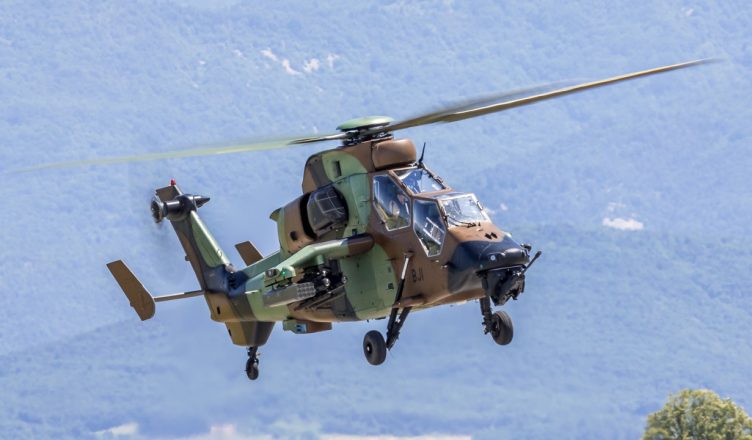
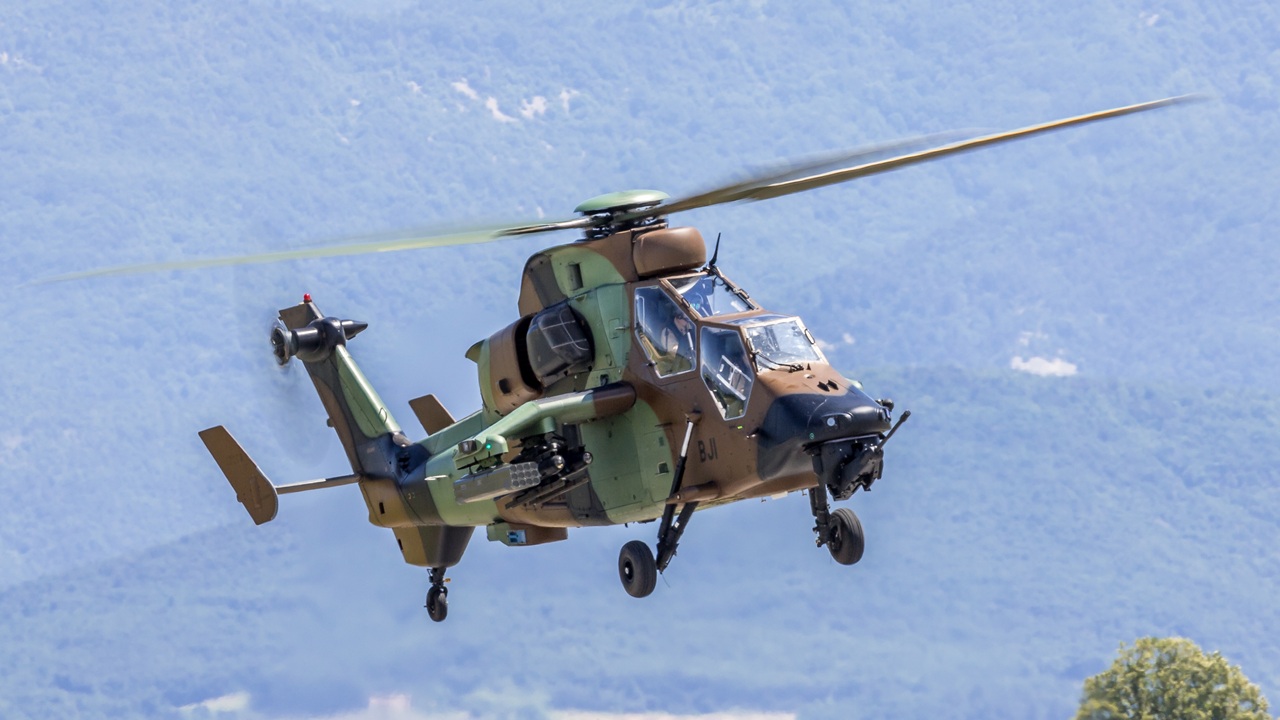
The Tiger helicopters have a number of problems related to their age and mileage, but Ukraine has suggested that it could use them effectively anyway.
Although Australia is half a world away from Europe—and has to contend with its own set of problems, mainly dealing with China’s rise in its proverbial backyard—it has remained deeply involved with the Ukraine War.
Canberra has supported Ukraine primarily with diplomatic cover on the world stage, financial support, military aid, and likely, through the Five Eyes intelligence-sharing network, providing intelligence to the Ukrainians in their war against the Russians.
The Eurocopter Tiger Helicopter’s Specifications
- Year Introduced: 2003
- Number Built: ~180
- Length: 13.85 m (45 ft 5 in)
- Rotor Diameter: 13 m (42 ft 8 in)
- Weight (MTOW): 6,600 kg (14,550 lb)
- Engines: Twin MTR 390 engines
- Top Speed: 315 km/h (196 mph, 170 kn) without rotor head mast
- Range: 740 km (460 mi, 400 nmi) / ~2.5 hours’ endurance (extendable with external fuel tanks)
- Service Ceiling: 4,000 m (13,000 ft)
- Loadout: Giat 30m DEFA M781 cannon; 70mm unguided or 68mm laser-guided rockets; Hellfire II (laser-guided) and Spike ER (electro-optical/fiber optic) missiles
- Aircrew: 2 (pilot and weapon systems officer)
The ARH (Armed Reconnaissance Helicopter) is the variant that the Australians have used and are now retiring. They are designed for rapid deployment, stealth, and daylight operations. These helicopters replaced older American Kiowa helicopters and Bushranger helos.
Australia’s Tiger Helicopters Could Get a Second Life in Ukraine
Now, Canberra is seriously considering a Ukrainian request to transfer their entire fleet of 22 retiring Eurocopter Tiger Armed Reconnaissance Helicopters (ARHs). Ukraine seemingly wants the Tiger helicopters for anti-drone and low-altitude mission sets.
This is because Tigers are renowned for having very good sensors, rockets, and onboard cannons—all of which can be useful in anti-drone operations (which have become primary mission sets for both Ukraine and Russia in their war against each other).
Kyiv believes that Canberra can afford to hand over their aging fleet of 22 Eurocopter Tigers because Canberra has already begun the process of retiring these birds with intentions to replace them with US-made AH-64 Apache helicopters. Ukraine is under constant—and increasing—attacks from Russian-owned, Iranian-made Shahed drones, and it needs counter-drone defenses immediately.
When it came out, the Tiger Helicopter was considered to be among the most advanced attack helicopters in the world. It was a symbol of Europe’s arrival as a united entity. These birds were meant to compete with the American Apache helicopter.
Although the Tigers were introduced into Australia’s arsenal in 2004, these systems have been expensive for Canberra to maintain. There have been software glitches and parts shortages that have plagued this program since 2004.
Ukraine is aware of these problems with Australia’s Tigers. But Kyiv doesn’t care—it still wants the birds.
Australia’s Helicopters Are Only Prolonging the Inevitable
Kyiv is asking for the Tigers now because Canberra is considering a larger aid package for Ukraine valued at around $63 million. This comes alongside Canberra’s decision to impose a new round of sanctions that will specifically target Russia’s shadow fleet (consisting of 1,400 vessels) that are meant to evade European and American sanctions on Russian oil. Most recently, Ukrainian forces have attacked elements of this shadow fleet.
Here’s the thing, though. These 22 birds, with all their problems, are not going to be the silver bullet that Ukraine thinks they will be. Germany’s Leopard tanks weren’t the elixir needed for defeating the Russians. Nor were NATO’s aging F-16s.
All the aid that Ukraine has received from the West has been enough to keep Kyiv from losing—but it hasn’t allowed it to win. And now, as Russia is totally mobilized and militated against Ukraine, the helicopters offer a false sense of security.
Even the British, the loudest cheerleaders of all for Ukraine against Russia, are accepting that Kyiv must seek a negotiated settlement to this war. No amount of helicopters or planes or tanks will change the fundamentals on the frontline.
About the Author: Brandon J. Weichert
Brandon J. Weichert is a senior national security editor at The National Interest. Recently, Weichert became the host of The National Security Hour on America Outloud News and iHeartRadio, where he discusses national security policy every Wednesday at 8pm Eastern. Weichert hosts a companion book talk series on Rumble entitled “National Security Talk.” He is also a contributor at Popular Mechanics and has consulted regularly with various government institutions and private organizations on geopolitical issues. Weichert’s writings have appeared in multiple publications, including The Washington Times, National Review, The American Spectator, MSN, and the Asia Times. His books include Winning Space: How America Remains a Superpower, Biohacked: China’s Race to Control Life, and The Shadow War: Iran’s Quest for Supremacy. His newest book, A Disaster of Our Own Making: How the West Lost Ukraine is available for purchase wherever books are sold. He can be followed via Twitter @WeTheBrandon.
Image: Shutterstock / Serge Goujon.
The post Why Does Ukraine Want Australia’s Old Tiger Helicopters? appeared first on The National Interest.
Источник: nationalinterest.org