
«Данное сообщение (материал) создано и (или) распространено иностранным средством массовой информации, выполняющим функции иностранного агента, и (или) российским юридическим лицом, выполняющим функции иностранного агента»
 Topic: Air Warfare Blog Brand: The Buzz Region: Middle East Tags: Hezbollah, Israel, Lebanon, Missiles, and October 7 Israel’s Dangerous Hezbollah Gambit Could Backfire Spectacularly December 6, 2025 By: Brandon J. Weichert
Share
Israel appears to have underestimated Hezbollah’s strength—at precisely the moment it can least afford to open a new front in its broader Middle East war.
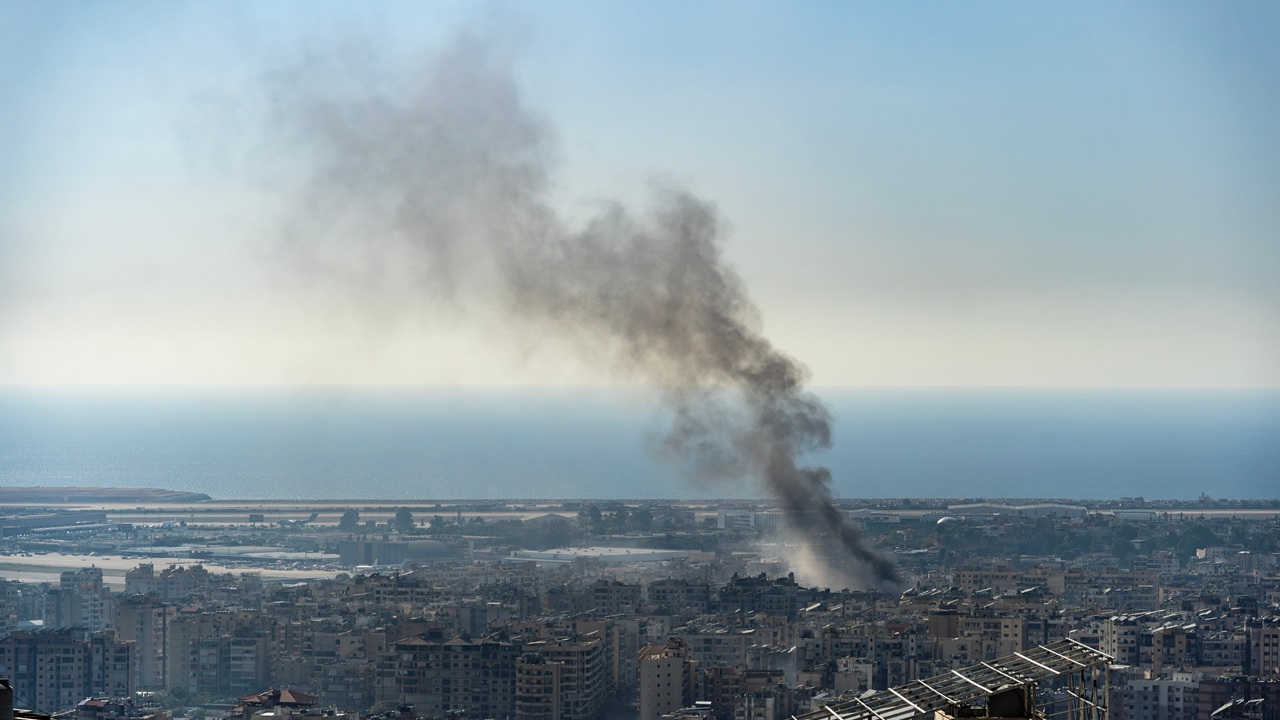
It looks like the situation in Israel, and the Greater Middle East, is not as pacific as was originally thought following the Trump administration’s pinprick strikes on Iranian nuclear weapons facilities. On top of Israeli military actions in the Gaza Strip ostensibly against Hamas terrorist targets and in the West Bank, the Israelis conducted an airstrike against Hezbollah targets in neighboring Lebanon on November 23.
That strike killed Haytham Ali Tabatabai, a high-ranking Hezbollah official. This comes just a couple of months after Israeli F-35I Adir fifth-generation warplanes bombed Hamas targets in Doha, Qatar, triggering a regional crisis among the Arab powers.
Following the outrage at the Doha strike, Israel has returned its attention to Lebanon. In striking Hezbollah’s leadership, Israel likely believed it was weakening the already weakened reach of Iran in the Levant. And it is likely that Israel believed that they had sufficiently degraded Hezbollah over the last three years to effectively launch such an attack against their leadership.
Israel Is Learning the Wrong Lessons
But it is important to note that, following Israel’s coup during the so-called “Operation Grim Beeper”—the simultaneous explosion of all Hezbollah-used pagers in September 2024, killing or injuring thousands of the group’s members and annihilating its communications network—Hezbollah has had ample opportunity to restore their martial prowess. What’s more, the subsequent Israeli military operations directed against Hezbollah had mixed results, to say the least—so much so that Jerusalem was compelled to end its military engagement in Lebanon and refocus on the crisis in Syria and on increasing pressure on the Gaza Strip.
In spite of its setbacks in 2024, Hezbollah is far more powerful than Hamas is in Gaza. The fact that the Israelis backed away from the fight with Hezbollah in the north in Lebanon is a key indicator of how much more dangerous Hezbollah is to Israel…especially at this very dangerous point for the Jewish democracy, which is currently fighting on multiple fronts in an ongoing regional war. Now is not the best time for Israel to rip open a front with a Hezbollah that is relatively well-rested and primed for a real war in Israel’s north.
What Does a Hezbollah Counterattack Look Like?
On November 28, just three days after the airstrikes by Israel killed Tabatabai, Hezbollah’s deputy leader, Naim Qassem, threatened retaliation against Israel for the assassination. Qassem believes that his terror group has the right to respond to Israel’s attack and will strike back according to their own timeline. While this is a common refrain from the Iranian side of the conflict—usually issued when Tehran lacks the capacity to respond effectively and is stalling for time—Jerusalem must take care to not kick over the proverbial hornet’s nest at such a critical moment.
Even going off the relatively rosy Israeli estimates about Hezbollah fighting capabilities, Hezbollah retains a significant missile arsenal, despite the strikes that Israel subjected them to.
According to multiple reports, it is estimated that there are roughly 120,000 to 200,000 missiles in Hezbollah’s arsenal today. In other words, Hezbollah can maintain a high-intensity fight for at least five months with the current arsenal of missiles it possesses.
That’s a major problem for Israel, which has depleted much of its critical stockpiles. It is still; awaiting confirmation from the United States government for a 20-year-long guarantee of military aid, but that guarantee is by no means certain due to the growing political opposition to Israel from within the United States.
Yes, the Israelis can look at recent history specifically with Hezbollah and take solace in the fact that they scored some key hits on the Iranian-backed Lebanese terrorist group (and on Iran itself). But in the process, Israel’s economy has been wrecked by the ongoing wars it has found itself in. What’s more, the combined missile attacks by the Iranian allies in Yemen, the Houthis, as well as the Iranians themselves, have done significant damage to key cities in Israel.
Israel Should Be Careful What It Wishes For
And the stockpiles of those essential Iron Dome and related air defense systems have been strained to their breaking point.
The point is that if Hezbollah, likely acting on behalf of Iran, opts to truly retaliate for Israel’s November 25 airstrikes on its leadership, there is no guarantee the Israelis will be able to break Hezbollah before the Israelis endure critical damage. Israel should be focused on conflict termination wherever possible and consolidating its defenses as much as they can.
Sadly, the current Israeli government appears to have other priorities on its mind. It might feel cathartic to clip Hezbollah leaders where they live, but one must constantly keep in mind the balance of forces…and the depletion/exhaustion rate of one’s own forces relative to that of their enemies.
Oh, and Al Jazeera reports that Israeli warplanes “struck multiple towns in Lebanon” as part of its renewed push against Hezbollah. Nothing good will come from this, given the capabilities that Hezbollah still retains in the wake of last year’s Israel-Hezbollah conflict.
About the Author: Brandon J. Weichert
Brandon J. Weichert is a senior national security editor at The National Interest. Recently, Weichert became the host of The National Security Hour on America Outloud News and iHeartRadio, where he discusses national security policy every Wednesday at 8pm Eastern. Weichert hosts a companion book talk series on Rumble entitled “National Security Talk.” He is also a contributor at Popular Mechanics and has consulted regularly with various government institutions and private organizations on geopolitical issues. Weichert’s writings have appeared in multiple publications, including The Washington Times, National Review, The American Spectator, MSN, and the Asia Times. His books include Winning Space: How America Remains a Superpower, Biohacked: China’s Race to Control Life, and The Shadow War: Iran’s Quest for Supremacy. His newest book, A Disaster of Our Own Making: How the West Lost Ukraine is available for purchase wherever books are sold. He can be followed via Twitter @WeTheBrandon.
Image: Shutterstock / Ali Chehade Farhat.
The post Israel’s Dangerous Hezbollah Gambit Could Backfire Spectacularly appeared first on The National Interest.
Источник: nationalinterest.org