
«Данное сообщение (материал) создано и (или) распространено иностранным средством массовой информации, выполняющим функции иностранного агента, и (или) российским юридическим лицом, выполняющим функции иностранного агента»
 Topic: Air Warfare Blog Brand: The Buzz Region: Europe Tags: European Union (EU), FCAS, Fighter Jets, GCAP, NATO, and Sixth-Generation Aircraft Europe Cannot Afford Two Distinct Sixth-Generation Fighter Jet Programs December 30, 2025 By: Niccolò Comini
Share
As America and China race towards a sixth-generation fighter jet, European countries must make up their minds: are two programs a show of force, or a waste of resources?
Despite Eurofighter consortium CEO Giancarlo Mezzanatto’s recent announcement that the Typhoon’s service would be extended into the 2040s, Europe must look ahead and prioritize its own sixth-generation fighter to hold pace with allies and adversaries.
Europe is divided on the next generation of fighter jets. The Future Combat Air System (FCAS) is a collaboration between France, Germany, and Spain that will include more than just a Next Generation Fighter (NGF). FCAS plans to integrate autonomous drones and AI—a step in the right direction for combat readiness and mission flexibility. Meanwhile, the Global Combat Air Program (GCAP) exemplifies Europe’s growing ties to the Indo-Pacific, as Italy, the United Kingdom, and Japan are collaborating to build a similar multi-role stealth fighter.
Both programs are mired in politics. France’s Dassault is demanding a dominant role in the FCAS program, sparking disputes with Germany’s Airbus and delaying progress. Countries and their respective national industries have clear interests in contracts and workshare, as they wish to maximize their profits. GCAP is facing hurdles over technology sharing, as Italy’s Defense Minister Guido Crosetto claims that London is too reluctant to share critical technologies, jeopardizing GCAP’s balance.
Duplicate Fighter Jet Programs Hurt Europe’s Security
Delays, overrun costs, and disagreements between partners are inevitable—and, indeed, were features of the earlier Eurofighter Typhoon and F-35 programs. Dassault’s desire for a super-majority of the workshare highlights the conflicts of defense production partnerships. Should workshare and ownership be equal, or should it reflect input and investment? Governments will ultimately take the side of their national champions.
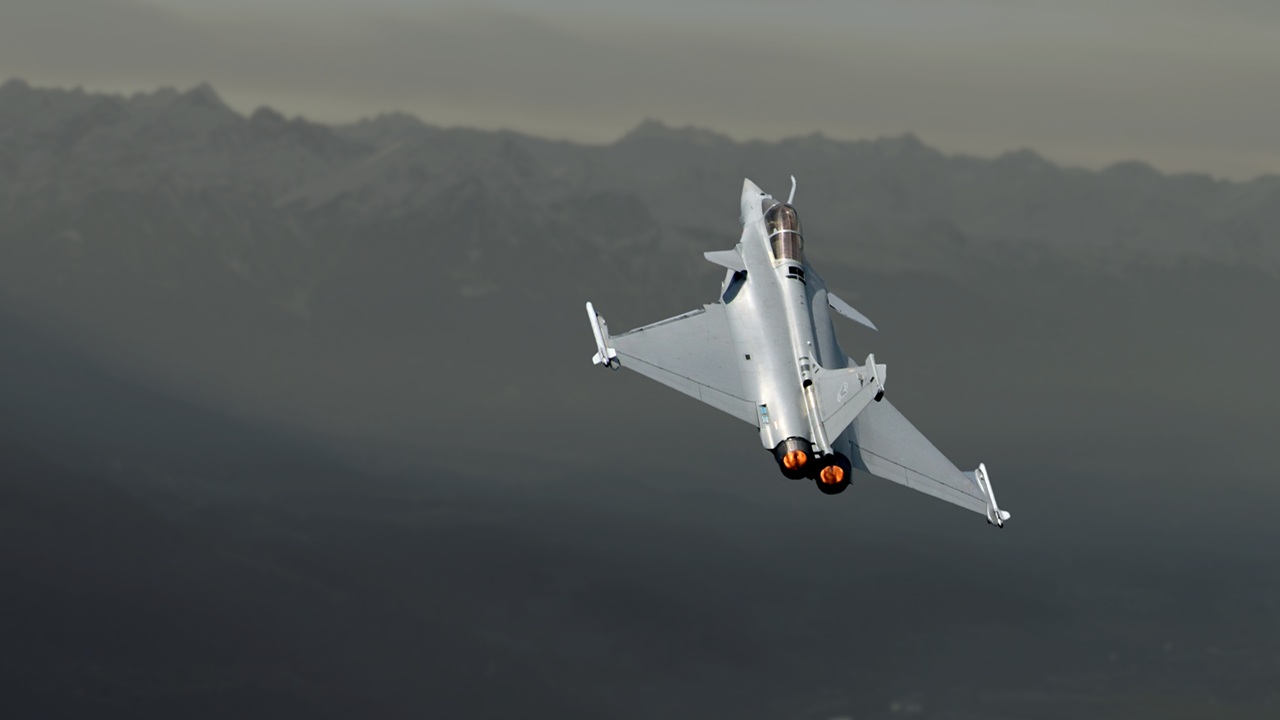
Europe needs look no further than its past for proof. In the 1980s, France withdrew from the Eurofighter program over a range of disputes, choosing to independently develop its own fighter, the Dassault Rafale. The result of this was two 4.5 generation fighters: the Rafale and Eurofighter Typhoon. The jets ended up competing against each other for contracts with allied nations. It is hard to argue that the end result strengthened Europe’s defense; rather than pooling resources, European nations duplicated costs, fractured their industrial bases, and weakened their market position vis-a-vis their American competitors.
Competition is praised for driving innovation, but in defense procurement, it is more likely to produce corner-cutting than breakthroughs. And what is at stake is no ordinary product, but Europe’s sixth-generation fighter—a jet meant to stand shoulder to shoulder with American and Chinese designs in the next era of great-power rivalry. It cannot afford to suffer from allied competition.
Accordingly, FCAS and GCAP should not be rivals. Competing programs will only waste resources and fracture Europe’s defense market. They will fight over customers and delivery dates, potentially putting program integrity and development at risk over being the first on the tarmac. Gambles cannot be taken when the future of European and Indo-Pacific air forces are at stake. A rushed sixth-generation fighter will not be a successful deterrent against future Russian and Chinese aggression.
Direct competition between the two programs may not even be fair. The GCAP is currently slated to be complete in 2035, 5 years before the FCAS. This presents a challenge for the FCAS program, as Western allies might not have the patience for FCAS. The FCAS program would either have to promise something much more revolutionary than the GCAP, or else close the gap in production and testing time, compromising the integrity of the program.
How an FCAS-GCAP Merger Might Play Out
To avoid this, FCAS and GCAP should work to gradually integrate their programs. FCAS and GCAP have different timelines, agreements, and ongoing investments. System integration would face legal and political hurdles, as many investors would inevitably feel misled or cheated. But in the long run, merging the two programs will streamline production, maintenance, and eventual upgrades.
A first step would be identifying software and components that can be mass produced for both programs. Having rival sixth-gen programs runs the risk of increasing costs through the production of software and components that could be mass produced for both programs. Since both FCAS and GCAP aim to integrate AI and cloud-based warfighting software, allies could collaborate on one software that works with both NGFs. Software is not the only component, as electronics and engines could be shared.
Further collaboration between the programs will sooth the fractured European defense market. Having a common supplier of the programs ensures steady contracts for defense companies, allowing them to invest more aggressively in infrastructure and R&D. Common suppliers also lower sunk costs. If the FCAS or GCAP were to get scrapped, investments in common technology would still be fruitful for the remaining program.
Component-sharing is a pragmatic short-term fix, even if a full merger remains politically difficult — particularly because of Japan’s role in GCAP. Still, investors and governments should keep the door open. Down the road, a full merger would bring another advantage: standardized systems that make joint training and NATO-wide operations far smoother.
Merging FCAS and GCAP will demonstrate serious intent from European countries – combining their best minds and resources to produce the best defense solutions. After decades of neglecting military spending, going all in on a program is another testament to NATO and shows its adversaries that Europe is committed to its defense.
Europe should not be afraid of putting all its eggs in one basket. To ensure a free, strong, and prosperous Europe, action must be taken now to secure a future position.
About the Author: Niccolo Comini
Niccolò Comini is a graduate of Kenyon College. He writes about Italian politics and foreign policy, and has been published on CEPA’s Europe’s Edge, Foreign Policy, Formiche.net, and The National Interest.
Image: Shutterstock / poidl.
The post Europe Cannot Afford Two Distinct Sixth-Generation Fighter Jet Programs appeared first on The National Interest.
Источник: nationalinterest.org