

«Данное сообщение (материал) создано и (или) распространено иностранным средством массовой информации, выполняющим функции иностранного агента, и (или) российским юридическим лицом, выполняющим функции иностранного агента»

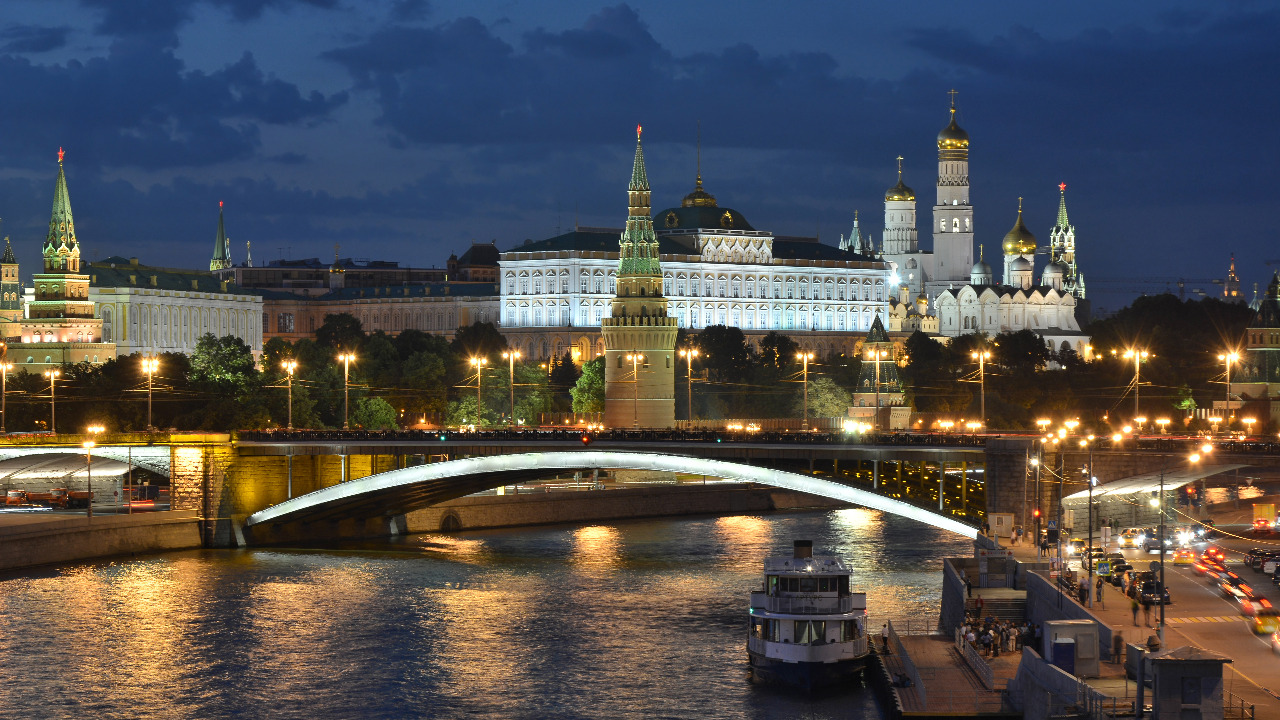
Moscow’s Kremlin and Bolshoy Kamenny Bridge.
Topic: Russia Decoded Podcast Blog Brand: The Buzz Region: Eurasia Tags: Assassination, Kremlin, Propaganda, Russia, Ukraine, and Vladimir Putin An Assassination in Moscow Fuels Russia’s Terror Narrative February 13, 2026 By: Andrew C. Kuchins, and Chris Monday
Share
Displays of national unity, an assassination attempt in broad daylight, and a Kremlin that carefully bows to Beijing. In the latest episode of Russia Decoded, hosts Andy Kuchins and Chris Monday examine cracks in Russia’s façade of societal cohesion.
2026 is Russia’s “Year of Unity” — meant to showcase the country’s diversity of over 200 ethnicities and hundreds of languages united by core Russian values. Despite the positive façade of unity, Putin’s primary motivation is control. Historically, a lack of unity in Russia has led to periods of weakness for its leaders. As ethnic minorities have borne a disproportionate share of the Ukraine war’s costs, it is more important than ever for Putin to maintain support in and control over these groups.
The shock of the week, though, was the assassination attempt against General Vladimir Alexeyev — a deputy on the Russian General Staff and one of the military’s more competent, low-profile professionals. According to Russian state media, he was targeted in Moscow by a Ukrainian-organized terror cell, which was swiftly apprehended thanks to intelligence passed along by the president of the United Arab Emirates. Vesti Nedeli frames the attack as proof of Kyiv’s turn to terrorism and folds it into a broader warning about internal enemies and the threat Ukraine poses to the Russian homeland.
And then there is Beijing. In his public choreography with Xi Jinping, Putin projects partnership, but also deference. As Moscow grows more dependent on China economically and diplomatically, it has taken on the role of “little brother” that it once assigned to Beijing during the Cold War.
Equally telling is what Russian state media is not discussing. Vesti Nedeli has been silent on Venezuela since Nicolás Maduro’s capture by the United States in January and has been increasingly quiet on Iran and Asia beyond its singular fixation on Beijing. Silence is a strategy in and of itself.
In the latest episode of Russia Decoded, Andy Kuchins and Chris Monday unpack how Vladimir Putin and Russian elites understand the world, and how they seek to influence it. Listen now on Apple, Spotify, or wherever you get your podcasts.
About the Speakers: Andy Kuchins and Chris Monday
Andrew C. Kuchins is currently a senior fellow at the Center for the National Interest and an adjunct professor at the Johns Hopkins University School of Advanced International Studies. He has served as President of the American University of Central Asia and the Director of the Carnegie Moscow Center as well as the Russia and Eurasia Programs at the Carnegie Endowment for International Peace and the Center for Strategic and International Studies. He is the author or editor of 7 books and published columns for The Wall Street Journal, The New York Times, The Washington Post, and many other media outlets.
Chris Monday is an associate professor of economics at Dongseo University in Busan, South Korea.
Image: Moscow’s Kremlin and Bolshoy Kamenny Bridge (Andrey Korzun / Wikimedia Commons).
The post An Assassination in Moscow Fuels Russia’s Terror Narrative appeared first on The National Interest.
Источник: nationalinterest.org