

«Данное сообщение (материал) создано и (или) распространено иностранным средством массовой информации, выполняющим функции иностранного агента, и (или) российским юридическим лицом, выполняющим функции иностранного агента»
 Topic: Congress, and Trade Blog Brand: Silk Road Rivalries Region: Eurasia Tags: Central Asia, Chris Murphy, Cold War, Jackson-Vanik, Kazakhstan, Kyrgyzstan, Soviet Union, Tajikistan, United States, and Uzbekistan Another Year, Another Chance to Repeal the Jackson-Vanik Amendment February 10, 2026 By: Justin Mitchell
Share
Congress’ failure to repeal outdated Cold War-era legislation is preventing an easy win for US-Central Asia relations.
Testifying before the Senate Foreign Relations Committee on January 28, US Secretary of State Marco Rubio voiced support for repealing the Jackson-Vanik amendment restrictions on Central Asia. The Cold War-era trade restrictions still apply to most of Central Asia, even though the Soviet Union dissolved more than 34 years ago.
As the United States seeks closer relations with the region, members of the 119th Congress have proposed bills to repeal trade restrictions, with the Trump administration backing them. President Donald Trump, Secretary Rubio, and multiple members of Congress have expressed their desire to deepen relations with Central Asia, and repealing the Jackson-Vanik amendment is a small but powerful step.
Despite this interest in deepening relations with Central Asia, the United States government has been unable to reach a conclusion. The desire to repeal Jackson-Vanik, both in the United States and in Central Asia, is strong. Instead, it is simply Congress’ lack of interest that keeps Jackson-Vanik on the books.
The Jackson-Vanik amendment, officially Section 402 of the Trade Act of 1974, denies normal trade relations (NTR) to non-market economies that deny their citizens the right or opportunity to emigrate, impose unfair taxes on documents for emigration, or levy additional taxes or fees on citizens as a result of their emigration.
Since the fall of the Soviet Union, the former republics received normal trade relations treatment authorized by Congress and the president on an annual basis. In 1997, Congress declared that some post-Soviet states were in compliance with the Jackson-Vanik Amendment’s provisions on freedom of emigration.
Since 2015, interaction between the United States and Central Asia has increased dramatically, with the Chamber of Commerce reporting $25 billion in commercial deals signed in November 2025. The United States signaled its desire for increased cooperation with the region by creating the C5+1 platform, in which the United States engages jointly with all five Central Asian states.
Numerous articles and op-eds arguing for the repeal of the Jackson-Vanik restrictions for Central Asia highlight several reasons why such a move could strengthen US relations with the region. Reasons range from supporting the Trans-Caspian International Transport Route, or“Middle Corridor,” to accessing the wealth of critical minerals and resources essential to the American economy and national security. President Trump has made access to critical minerals a crucial component of his foreign policy, and Central Asia’s large deposits can play a vital role in reducing American dependency on China.
Two days before the start of the C5+1 Summit in Washington, DC, the House and the Senate introduced two identical bills “to authorize the extension of nondiscriminatory treatment (normal trade relations treatment) to products of certain countries.” Representative Carol Miller (R-WV), one of the original co-sponsors of the House bill, HR5917, said it is “essential we strengthen America’s trade relationships with Central Asian countries to ensure that all of our nations can thrive economically.” Another co-sponsor, Representative Jimmy Panetta (D-CA), said it is “long past time we got rid of Jackson-Vanik and brought US trade partnerships in Central Asia into the 21st century.”
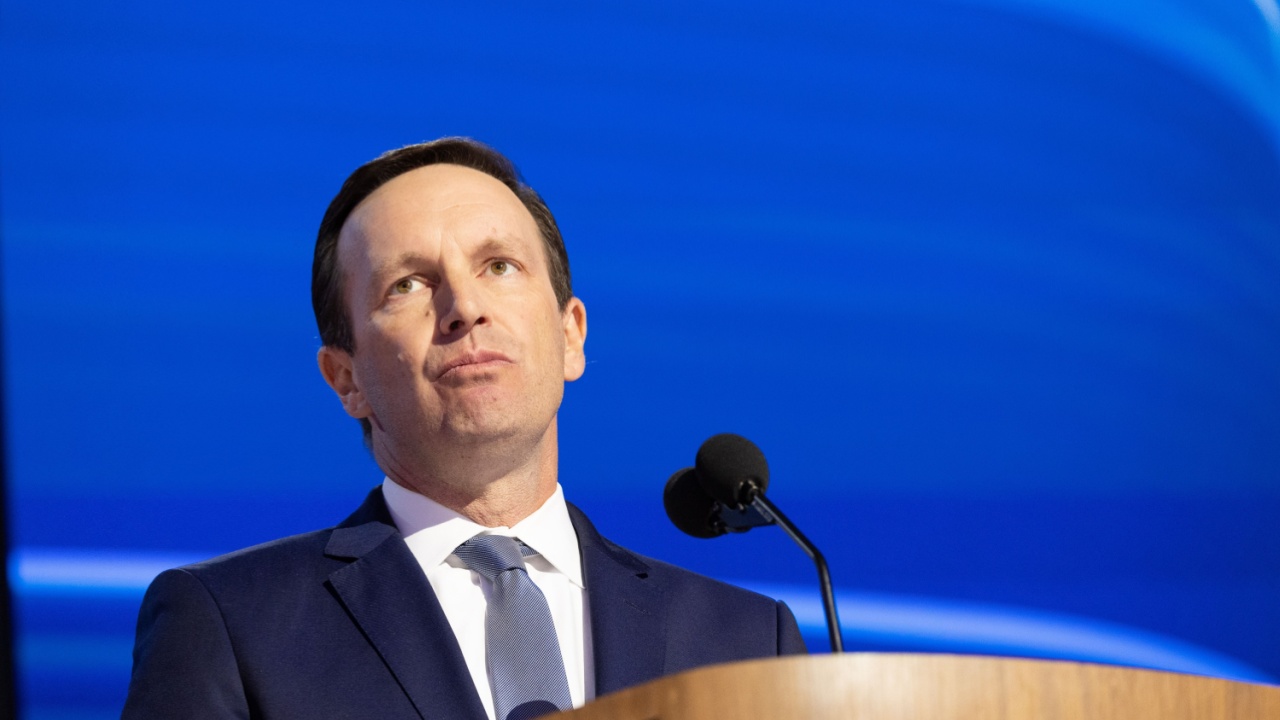
The statements by the co-sponsors of the Senate bill (S3013) are equally passionate. Senator Steve Daines (R-MT) commented that Central Asia is “still subject to outdated, Cold War-era trade restrictions that prevent any permanent investment and hinder American trade and prosperity.” The Jackson-Vanik amendment, Senator Chris Murphy (D-CT) argued, is “an outdated policy that is holding back our partnerships with important countries in Central Asia.”
What’s more, despite members of Congress’ proposed bills to normalize trade relations with Central Asia, none have passed. HR5917 and S3013 are the 19th and 20th bills proposed since 2001 that call for the authorization of normal trade relations with Kazakhstan, Uzbekistan, and Tajikistan. Most of the bills fall into three time periods with gaps in between: seven from 2001 to 2009, four from 2015 to 2017, and nine from 2022 to the present.
The bill with the most co-sponsors is HR 1024, the US-Kazakhstan Trade Modernization Act, with 33 co-sponsors, including eight original co-sponsors, introduced in February 2025. There is a noticeable trend: 11 of the proposed bills focus only on Kazakhstan, four only on Uzbekistan, and three on Kazakhstan, Uzbekistan, and Tajikistan.
So far, Kyrgyzstan is the only Central Asian country that enjoys permanent normal trade relations with the United States. After joining the World Trade Organization (WTO) in December 1998, Kyrgyzstan received permanent normal trade relations with the United States under Section 302 of the Trade and Development Act of 2000. Two earlier bills to authorize normal trade relations with Kyrgyzstan, both introduced in July 1998 in the Senate and in September in the House, had no cosponsors and did not make it out of committee.
Two identical bills in 1999, one in the House and one in the Senate, gained cosponsors but were ultimately separate from the amendment that normalized trade relations with Kyrgyzstan. Although Tajikistan and Kazakhstan joined the WTO in 2013 and 2015, respectively, neither enjoys permanent normal trade relations with the United States, while Uzbekistan is currently advancing in negotiations to join the WTO.
The recent C5+1 Summit and the numerous deals signed between the United States and Central Asia give members of Congress greater encouragement to pass bills to normalize trade relations with Central Asia. Ultimately, whether the rest of Congress cares enough will determine whether 2026 will be the year we all bid farewell to Jackson-Vanik.
About the Author: Justin Mitchell
Justin Mitchell is a DC-based foreign policy analyst with an MA in International Relations from Syracuse University. He was a Spring 2023 Marcellus policy fellow and studied in Almaty, Kazakhstan, for an academic year. Justin’s research interests include Central Asia, diplomacy, Eurasia, geopolitics, Russia, and US defense and national security policy.
The post Another Year, Another Chance to Repeal the Jackson-Vanik Amendment appeared first on The National Interest.
Источник: nationalinterest.org