

«Данное сообщение (материал) создано и (или) распространено иностранным средством массовой информации, выполняющим функции иностранного агента, и (или) российским юридическим лицом, выполняющим функции иностранного агента»
 Topic: Russia Decoded Blog Brand: The Buzz Region: Eurasia Tags: Diplomacy, Donald Trump, Geopolitics, Propaganda, Russia, Ukraine, Vladimir Putin, and Volodymyr Zelensky Russia’s Year in Review: How the Kremlin Wants the World to See 2025 December 30, 2025 By: Andrew C. Kuchins, and Chris Monday
Share
How does the Kremlin want the world to remember 2025? Russia Decoded analyzes Russia’s year-end media narrative on war, diplomacy, and the West.
As 2025 draws to a close, Russia’s flagship Sunday news program, Vesti Nedeli, offered its viewers a carefully curated verdict on the year’s upheavals. The year-end broadcast is the focus of the latest episode of Russia Decoded, a new podcast where veteran Russia watchers Andy Kuchins and Chris Monday parse how the Kremlin and Russian elites understand the world, and how they seek to influence it.
The central theme in Sunday’s broadcast was diplomacy, particularly the optics surrounding renewed US-Russia engagement. Russian television lingered on President Trump’s one-hour phone call with Vladimir Putin immediately before Trump met face to face with Ukrainian President Volodymyr Zelensky. As the hosts observe, Moscow appears less interested in a swift settlement than in leverage: “[Putin] is using this negotiation process in a calculated way to squeeze Zelensky,” Chris Monday says, “basically forcing [him] to make these very unpopular concessions.”
At the same time, the Kremlin elevates US-Russia talks. Referencing the Trump-Putin summit in Alaska in August, Vesti Nedeli now invokes the “Spirit of Anchorage,” a label meant to echo the summits of the Cold War when Russia still enjoyed superpower status.
Europe fares far worse in the year-end narrative. Russian rhetoric toward European leaders has grown ever more contemptuous, including Putin’s use of the vulgar insult podsvinki (“piglets”) at a recent meeting with military leaders. The graphic imagery is deliberate: subservient Europeans are nursing on “this big mother pig, the United States,” says Kuchins. Despite Europe’s assertion of itself as a strategic actor through its new €90 billion loan package for Ukraine, Moscow decries the loan as “stealing money from European taxpayers.”
At home, Vesti Nedeli works to refine Putin’s image. Gone are flamboyant displays. Instead, viewers see a “spartan” commander-in-chief in simple fatigues, projecting calm and resilience.
When it comes to technology, however, this tone shifts. The Kremlin portrays Russia as a rising AI superpower. “Every day the war goes on and [Russia] is under sanctions,” Andy Kuchins cautions, “extends the period of time that it will take for them to catch up” to China and the US.
Some of the most revealing moments, the hosts argue, are news developments on which Russian television stays silent. A New York Times report that a senior Putin aide opposed the 2022 invasion of Ukraine never appears on state news. Nor does coverage of a recent Russian missile strike that hit Azerbaijan’s embassy in Kyiv.
What do these silences reveal about unease inside the Kremlin? And as Moscow declares vindication at year’s end, is confidence masking deeper uncertainty about the road ahead?
Listen now on Apple, Spotify, or wherever you get your podcasts.
About the Speakers: Andy Kuchins and Chris Monday
Andrew C. Kuchins is currently a senior fellow at the Center for the National Interest and an adjunct professor at the Johns Hopkins University School of Advanced International Studies. He has served as President of the American University of Central Asia and the Director of the Carnegie Moscow Center as well as the Russia and Eurasia Programs at the Carnegie Endowment for International Peace and the Center for Strategic and International Studies. He is the author or editor of 7 books and published columns for The Wall Street Journal, The New York Times, The Washington Post, and many other media outlets.
Chris Monday is an Associate Professor of Economics at Dongseo University in Busan, South Korea.
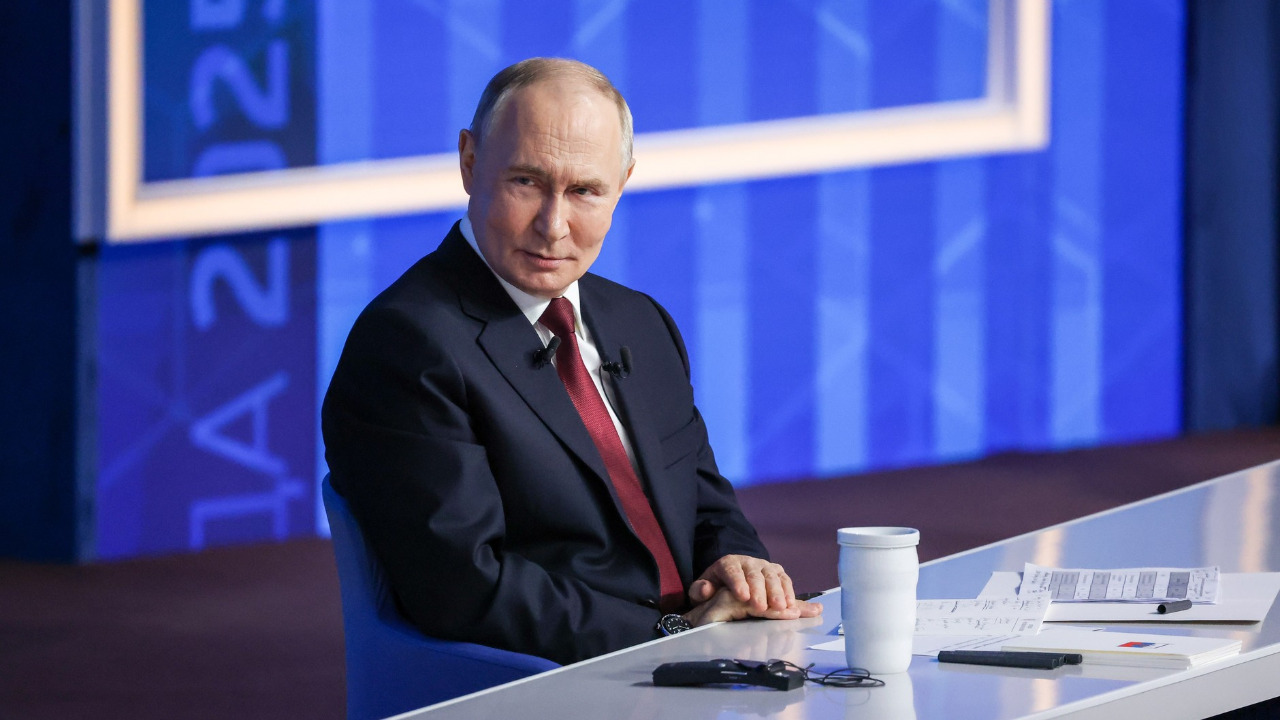
Image: Vladimir Putin speaks at the Kremlin’s annual year-end press conference on December 19, 2025 (Office of the Russian President via Wikimedia Commons)
The post Russia’s Year in Review: How the Kremlin Wants the World to See 2025 appeared first on The National Interest.
Источник: nationalinterest.org