
«Данное сообщение (материал) создано и (или) распространено иностранным средством массовой информации, выполняющим функции иностранного агента, и (или) российским юридическим лицом, выполняющим функции иностранного агента»
 Topic: Critical Minerals, and Oil and Gas Blog Brand: Energy World Region: Americas, and Middle East Tags: China, International Energy Administration (IEA), Iran War, North America, Project Vault, Strait of Hormuz, Supply Chains, and United States The Strait of Hormuz Crisis Shows Why the US Must Stockpile Critical Minerals March 13, 2026 By: Avery Ash
Share
Limiting exposure to supply chain or resource disruption requires a broad portfolio strategy.
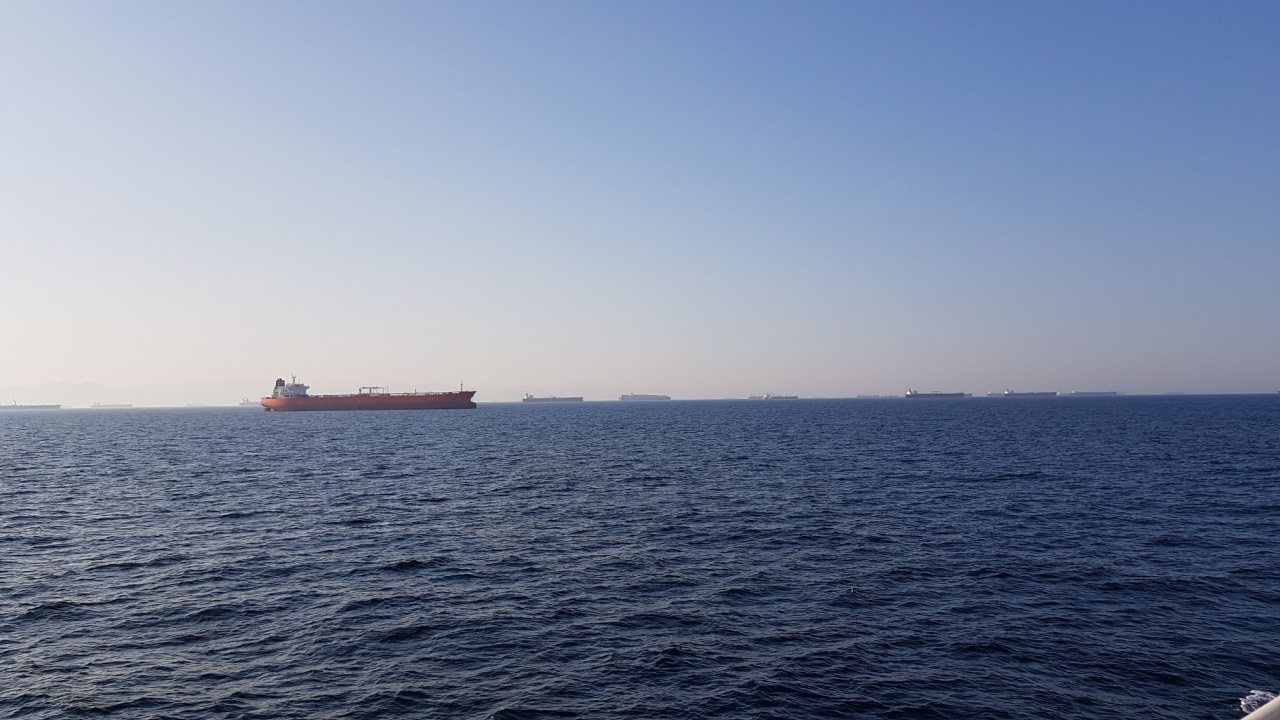
As the blockade in the Strait of Hormuz continues, the International Energy Agency (IEA) has announced a coordinated release of 400 million barrels from global emergency oil stockpiles. The market significance of that release (the global market consumes over 100 million barrels per day) will depend on the duration of the disruption. Still, the scale and unprecedented nature of the response are telling.
The IEA was created in 1974 in the aftermath of the Arab oil embargo. This would be only the sixth coordinated stock release in its history and also the largest, more than doubling the previous record set in 2022 after Russia invaded Ukraine. More than 50 years after this piece of energy security architecture was created, strategic stockpiles are scarcely used but remain an essential instrument in a limited toolbox.
That is important not only for oil but also for minerals policy.
The Trump administration’s recently announced Project Vault is an effort to apply the track record of success for strategic petroleum stockpiling to critical minerals and other strategic materials, where the United States is in an even more precarious position today than it has been in oil for decades. Mineral stockpiling is highly complex and technically challenging. Still, the administration’s approach has done the hard work of bringing together the necessary range of upstream producers, downstream consumers, and traders to make the program succeed.
Stockpiles alone—at the national or multilateral level—cannot address supply security risks. Still, they can provide a powerful buffer during disruptions, so long as those disruptions don’t outlast the stockpile. Complacency is the deadly enemy of energy security, and policymakers should resist the temptation to forget the hard lessons of past supply shocks just because the nature of the vulnerability has changed.
Our organization, SAFE, was founded 20 years ago and launched with a series of “Oil ShockWave” crisis simulations. The exercises drove home that the United States was highly exposed to oil supply disruptions in the Middle East; that a disruption anywhere in the global oil market would affect prices everywhere; and that the menu of short-term domestic policy responses was limited.
Much has changed over the last 20 years. A few core realities have not.
First, domestic oil and gas production is essential. This is not to say that the US economy will not suffer from higher oil prices, which will depend on how long the Strait of Hormuz is disrupted. However, the domestic production boom has improved America’s physical supply position, reduced the macroeconomic vulnerability associated with foreign dependence, and increased the flexibility of global markets to respond to disruptions. About 84 percent of the oil moving through the Strait of Hormuz is destined for Asian economies, where actual shortages appear likely. There is no question that today, the United States is more resilient than when SAFE first began warning about oil insecurity.
Second, dependencies on foreign adversaries are a national security crisis, even when they take new forms. The Strait of Hormuz is the world’s best-known energy chokepoint, but a quieter, more acute supply vulnerability has emerged in critical minerals and strategic material supply chains. China has expertly and strategically cornered the market in extraction, processing, refining, component manufacturing, and downstream industrial capacity. Unlike crude oil prices, which are constantly observed in real time, many US manufacturers are living through their own version of a Hormuz blockade, as Beijing has imposed export restrictions and licensing controls on materials such as gallium, germanium, antimony, and graphite.
This problem extends beyond raw materials. It includes the broader industrial ecosystems required to support advanced military capability and modern energy systems, from permanent magnets and semiconductors to batteries, drones, robotics, and precision-guided systems. In many of these areas, the issue is not simply exposure to price volatility—it is the risk of outright supply denial, compounded by limited or even zero domestic production capability.
Third, short-term solutions to a supply crisis are always limited. Enter the importance of stockpiles. IEA is proving its value today, five decades after its creation. As Project Vault is launched and built, the lesson is to build, maintain, and strengthen it through collaboration with partner countries.
Reversing our precarious dependencies will require something akin to a fracking revolution for critical minerals—the administration has been sprinting to deploy every tool in the toolbox and has made incredible progress in a short period of time—but our defense and our industry are still in an untenable position.
Ultimately, energy security and mineral security both require a portfolio approach: domestic production where possible, allied sourcing where necessary, optimization of scarce inputs, diversification of technologies, and targeted strategic reserves for the materials most exposed to disruption. We are a powerhouse in oil and gas production, yet we remain dangerously exposed to global price volatility driven by flows through the Strait of Hormuz. This should be seen as a warm-up act for mineral supply disruptions—to address this ongoing risk, every option needs to be on the table.
About the Author: Avery Ash
Avery Ash is the chief executive officer of SAFE, where he leads the organization’s mission to advance transportation, energy, and supply chain policies that strengthen US economic and national security. Prior to becoming CEO, Avery served as SAFE’s senior vice president for Government Affairs and Special Initiatives and as executive director of the Coalition for Reimagined Mobility (ReMo). In these roles, he oversaw ReMo’s strategy and operations while leading SAFE’s engagement with Congress, the White House, and federal agencies on issues spanning advanced transportation technologies, supply chains, and energy and national security.
The post The Strait of Hormuz Crisis Shows Why the US Must Stockpile Critical Minerals appeared first on The National Interest.
Источник: nationalinterest.org