
«Данное сообщение (материал) создано и (или) распространено иностранным средством массовой информации, выполняющим функции иностранного агента, и (или) российским юридическим лицом, выполняющим функции иностранного агента»
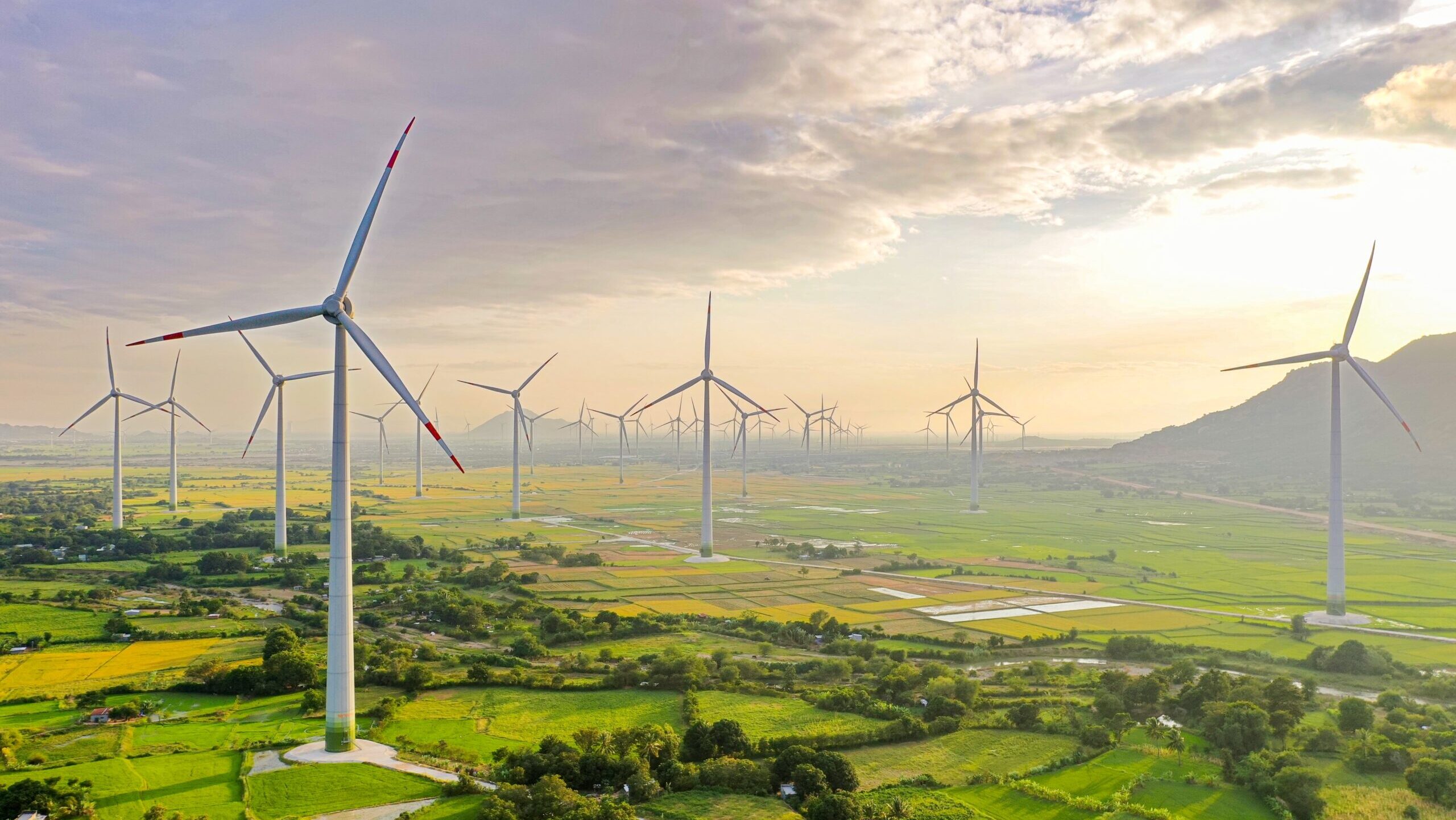
A large wind farm. While wind projects face renewed political challenges from the Trump administration, achieving energy dominance will require regulatory certainty and permitting reform. (Shutterstock/truong hai nguyen)
Topic: Wind Energy Blog Brand: Energy World Region: Americas Tags: Donald Trump, Energy Policy, North America, Permitting, and United States How Donald Trump Softening His Tone on Wind Could Unlock Permitting Reform March 2, 2026 By: Nick Loris
Share
To unlock an energy abundance agenda, permitted wind projects should proceed, and comprehensive permitting reform must follow.
The Trump administration recently announced it would appeal court rulings that allowed offshore wind projects to proceed with construction. This follows the administration’s halt to construction on five projects last December for national security reasons, even though those projects had already received permits and are nearly complete. The crusade against offshore wind risks becoming a case of missing the forest for the trees. If the goal is true American energy dominance, the bigger task is fixing the broken permitting system that slows every form of American energy infrastructure. Most importantly, a process that provides efficiency, certainty, and rewards economic competitiveness will deliver the affordable, reliable energy consumers need and power America’s economic engine. The president should declare victory on his battle with offshore wind, let these projects move forward, and finish the job on permitting reform.
The Error of Going Tit for Tat on Unilateral Action
The Trump administration’s actions on offshore wind are far from the first instance of unilateral executive overreach. Historically, executive action by Democratic administrations has stalled or shuttered projects, particularly natural resource development. President Barack Obama denied the Keystone XL Pipeline permit on extremely weak grounds. His Environmental Protection Agency revoked a permit for a coal mine that had already been issued and told another project developer in Alaska not to bother applying for a permit, issuing a preemptive veto. More recently, the administration canceled and restricted oil and gas leases on federal lands, revoked the Keystone XL Pipeline permit (again), and paused liquefied natural gas (LNG) exports. The Biden administration’s North Star on energy policy was “net zero,” guided by taxpayer-funded carrots and costly regulatory sticks.
In large part, the Trump administration has wisely reversed course. A renewed focus on American energy dominance is putting consumers front and center. With rising prices and demand, the US will need more power, pipelines, and operational transmission capacity, and the administration has rightly vowed to cut red tape to accelerate energy development. They’ve made it clear from day one: If a company is facing a regulatory bottleneck, they want to fix it.
Offshore wind is one of the few exceptions, with the administration continuing to challenge projects even as it pledges to streamline energy development more broadly. Unilateral executive action may deliver short-term political wins (or perceived wins), but it is a recipe for long-term investment paralysis in America’s energy sector. When policy swings with the stroke of a pen, investors sit on the sidelines or demand a higher risk premium, which ultimately shows up in consumers’ bills. Regulatory whiplash undermines the certainty markets need to finance pipelines, power plants, transmission lines, and emerging technologies alike. Finding new and creative ways to stall or block disfavored projects only fattens the playbook for an anti-fossil fuel administration to keep America’s abundant natural resources in the ground.
Let the Market Guide Offshore Wind’s Future
The current projects that the Trump administration is challenging are heavily subsidized. They have power purchasing agreements with states and benefit from targeted tax credits. If there are legitimate concerns the administration has with the impact offshore wind has on taxpayers and ratepayers, the focus should be on removing market-distorting policies as the One Big Beautiful Bill Act did. Rather than co-opting the permitting process, if there are legitimate national security concerns, efforts should be made to address them while allowing permitted projects to move forward.
If the fate of many of the Inflation Reduction Act tax credits taught policymakers and industry anything, it’s that businesses should not build business models around subsidies and mandates. Subsidies encourage projects that may not be economically sustainable, and mandates force utilities and ratepayers into procurement decisions that may not reflect the most cost-effective option. Over time, these distortions compound the very affordability challenges that policymakers say they want to solve.
The reality is that offshore could become economically viable without subsidies. Offshore wind development performs particularly well in the Northeast during winter months, when home heating demand is highest. While capacity factor does not capture the full value of a resource, offshore wind has a higher capacity factor than onshore renewables and can be equivalent to baseload natural gas. The goal should be to provide reliability at the least cost to consumers, including all costs of building and delivering power.
When enabled by the market demand, the projects will support thousands of union workers, including electricians, laborers, operating engineers, ironworkers, and members of the maritime trades. Many of these workers backed President Trump because of his commitment to domestic energy development and infrastructure jobs. When propped up by government policy, subsidies, and mandates, jobs are shifting from one sector of the economy to the politically preferred ones. Letting the market determine the wind industry’s fate will ensure the best value for taxpayers, ratepayer and the economy.
The Art of the Permitting Deal
A true signature accomplishment that will enable energy dominance for decades is fixing the permitting system so that all viable energy projects can move through reviews efficiently and predictably.
An energy abundance agenda should create market opportunities and remove regulatory constraints, enabling developers of all kinds to meet households’ and businesses’ energy needs. The energy infrastructure needed to meet rising demand is stuck in regulatory gridlock. America’s permitting system remains too slow, too litigious, and too uncertain for virtually every form of energy development, from offshore wind to advanced nuclear to natural gas pipelines and high voltage transmission.
Given his consistent disparaging remarks, it stands to reason that President Trump isn’t going to change his mind on his aversion to wind energy. But could Trump reach a level of tolerance that allows the industry to simply compete on economic merit without having to fight the industry over already-approved permits? He doesn’t have to love it. He just has to stop hating it so much.
Doing so could be the difference between whether Congress passes comprehensive permitting reform to further unleash American energy dominance. Democrats cut off permitting talks when the administration halted construction on the offshore wind projects, and the conversations have been somewhat tepid ever since. While there is some optimism that a deal could still come together this spring, now is the time for some art of the deal magic.
The negotiations may be akin to the president’s position on tariffs. Much like offshore wind, President Trump’s stance on tariffs is unlikely to change. Regarding tariffs, however, Trump has softened his tone in some instances. A softening of tone on offshore wind and allowing permitted projects to move forward could be the necessary motivation for Congress to fully address a broken permitting system. By modernizing outdated environmental laws, fixing judicial review, and providing permitting certainty, we can advance critical minerals, nuclear power, natural gas pipelines, and renewables. We can get the energy supply that the market bears, not what the politicians tell us it should bear.
America’s energy industry has been innovative, dynamic, and extremely successful, despite the longstanding politicization of specific energy technologies, regulatory chokepoints, and excessive litigation. Addressing those issues by signing a sweeping permitting bill is legacy-defining material.
About the Author: Nick Loris
Nick Loris is the President at C3 Solutions. Loris studies and writes on energy and climate policies and testifies regularly before Congress. He is also an energy fellow at the Abundance Institute.
The post How Donald Trump Softening His Tone on Wind Could Unlock Permitting Reform appeared first on The National Interest.
Источник: nationalinterest.org