
«Данное сообщение (материал) создано и (или) распространено иностранным средством массовой информации, выполняющим функции иностранного агента, и (или) российским юридическим лицом, выполняющим функции иностранного агента»
 Topic: Air Warfare Blog Brand: The Buzz Region: Americas, Asia, and Europe Tags: Aircraft, China, European Union (EU), FCAS, Military Budget, NATO, NGAD, Russia, Sixth-Generation Aircraft, and United States Which Countries Are Developing Sixth-Gen Fighter Jets? January 12, 2026 By: Harrison Kass
Share
The United States and China are the two obvious contenders for sixth-generation fighter programs—and various European nations have also committed to their development.
The race to field a sixth-generation fighter jet is on. Even though fifth-generation aircraft are still relatively new—and mostly unattainable to the majority of industrialized nations—the world’s leading nations are forging ahead on the next generation of fighter aircraft, reflecting concerns that fifth-generation advantages are already eroding.
While the technical specifics of a sixth-generation platform remain undefined, what’s clear is that only a select few nations have a realistic shot at developing such an aircraft. Whoever gets there first will likely enjoy a strategic advantage.
What Exactly Is a Sixth-Generation Aircraft?
No formal definition yet exists for a sixth-generation fighter, but it is generally thought to include aircraft entering service from the late 2020s into the 2040s. No sixth-generation aircraft yet exist; the first one to enter service is likely to be the B-21 Raider stealth bomber, which has several working prototypes and is expected to be introduced by 2027.
Common traits of sixth-gen aircraft include:
- Manned-unmanned teaming, utilizing “collaborative combat aircraft” (CCA) drones as a force multiplier;
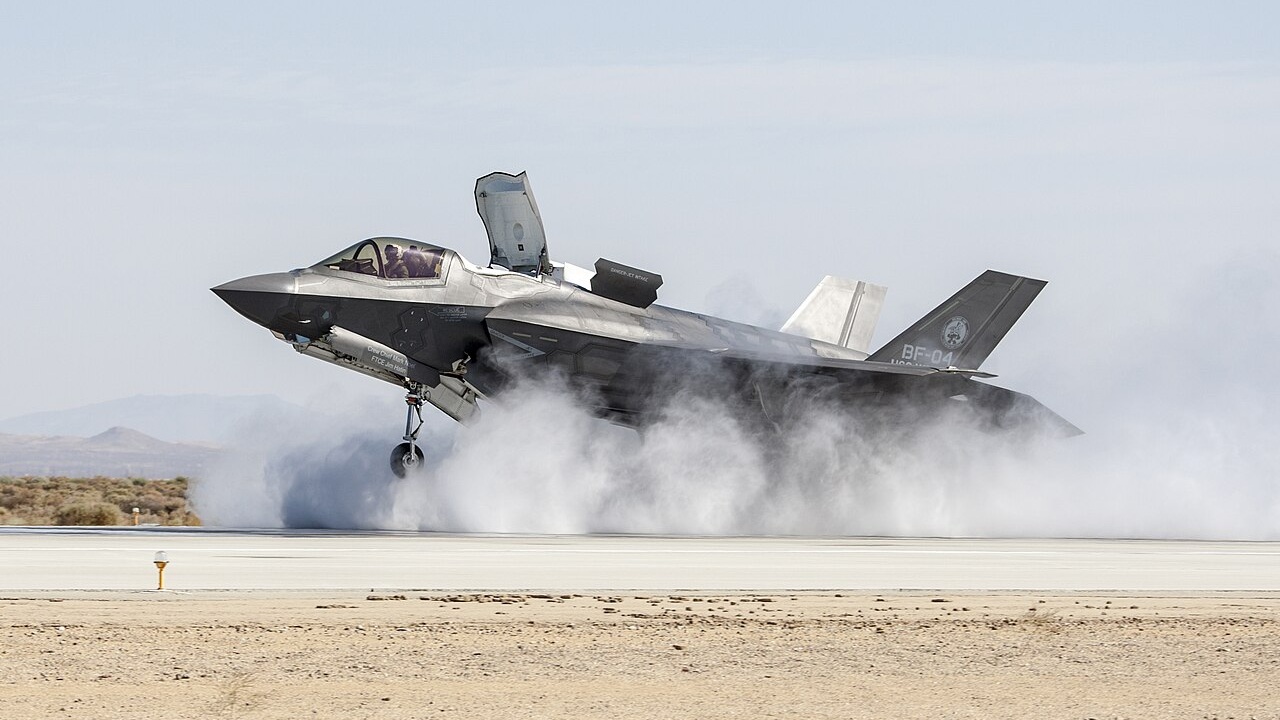
- Advanced networking and sensor fusion, already seen on fifth-gen aircraft such as the F-35 Lightning II;
- Adaptive engines and power generation, allowing an aircraft to cycle between high speed and fuel conservation; and
- Advanced (broadband) stealth features.
The development emphasis will shift from pure performance to information dominance. The pilot’s role will in turn shift from dogfighting athlete to more of a mission commander, whose survival will rely upon enhanced situational awareness and broader network integration.
The Sixth-Gen Race: Two Major Players, One Wildcard, and One Straggler
Here are the nations involved in the race for a sixth-generation fighter jet:
United States: The United States of America, as usual, is the pacesetter. The NGAD program is the most advanced, the most viable sixth-generation project, reflecting America’s unique strengths in systems engineering, industrial depth, and operational experience. The NGAD demonstrator aircraft is understood to have already flown, although no footage has yet been released of this test flight.
Development principles are focused on high-end conflict with China in the Indo-Pacific, meaning the platform will likely rely on broadband stealth, long range, and manned-unmanned teaming with CCA drones. The program does have risks, however; it was recently paused due to concerns over runaway costs per unit, which were said to be climbing into the many hundreds of millions. If the program cannot get its costs contained, the fleet size may suffer, as the F-22 and B-2 fleets did a generation ago.
China: China is America’s only true challenger, investing heavily in aerospace R&D, autonomy, and sensors. China has already successfully fielded the fifth-generation J-20 Mighty Dragon, making it unique in the world as one of the few with a true fifth-generation fighter online. Beijing’s sixth-generation efforts will likely include networked fighters and loyal wingmen, likely built with an emphasis on complementing the A2/AD network. China’s strengths include scale and manufacturing speed. Its weaknesses, however, lie in engine reliability and limited combat experience. China has a credible shot, but questions about their ability to execute remain.
Europe: Europe is a player, too—but it is somewhat behind the United States and China in sixth-gen development. One problem is that European nations have two competing sixth-gen programs: the FCAS (France, Germany, Spain) and the Tempest (UK, Italy, Japan). The lack of unity creates duplicate work and raises costs, delaying and possibly dooming the programs. These are strong aerospace firms working on both the FCAS and Tempest programs. But political fragmentation and funding instability could hamper the rollout. Don’t expect Europe to produce a sixth-generation fighter, at least not before the Americans and the Chinese do.
Russia: Russia’s fighter jet program has world-leading aspirations. What it does not have, however, are world-leading capabilities. The fifth-generation Su-57 Felon has been a disappointment, with only a handful of aircraft delivered; around 30 Su-57s are thought to exist, compared to more than 1,000 F-35s. Russia has also balked at testing the Su-57 under real-world conditions; owing to the limited number of airframes, the Kremlin has kept the fifth-gen fighter well away from the battlefields of Ukraine, preserving their numbers but giving prospective customers no visibility on whether the aircraft can actually perform as advertised.
So Russia has barely even fielded a fifth-generation fighter in a functional way—demonstrating the constraints of the Russian industrial base, and the limiting effect of international sanctions. For this reason, even though it has expressed interest in a sixth-generation fighter, it is extremely unlikely that it will be able to produce one at scale for the foreseeable future.
In short, the sixth-generation race is real, and is happening now—but is extremely narrow, between only a handful of great power nations. Only the strongest and wealthiest nations can design, build, and sustain such an advanced aerospace system.
About the Author: Harrison Kass
Harrison Kass is a senior defense and national security writer at The National Interest. Kass is an attorney and former political candidate who joined the US Air Force as a pilot trainee before being medically discharged. He focuses on military strategy, aerospace, and global security affairs. He holds a JD from the University of Oregon and a master’s in Global Journalism and International Relations from NYU.
Image: Wikimedia Commons.
The post Which Countries Are Developing Sixth-Gen Fighter Jets? appeared first on The National Interest.
Источник: nationalinterest.org