
«Данное сообщение (материал) создано и (или) распространено иностранным средством массовой информации, выполняющим функции иностранного агента, и (или) российским юридическим лицом, выполняющим функции иностранного агента»
 Topic: Critical Minerals Blog Brand: Energy World Region: Asia Tags: Balochistan, Pakistan, Shehbaz Sharif, South Asia, and United States Transforming Pakistan’s Minerals into Strategic Economic Growth January 12, 2026 By: Saima Afzal
Share
Pakistan‘s policy reforms aim to align it with international standards and position itself as a responsible partner in the global minerals market.
Pakistan holds trillions in untapped mineral wealth — copper, gold, lithium, cobalt, rare earth elements, and gemstones — yet exports remain minimal, and local communities see few benefits. The upcoming Second Pakistan Minerals Investment Forum (PMIF26), scheduled for April 8-9 in Islamabad, aims to change that narrative, positioning the country as a credible, investment-ready mining economy on the global stage. In a world racing to secure critical minerals for technology, energy, and green growth, Pakistan could become a strategic hub. Transparency, policy reform, and international partnerships are required to turn raw potential into global economic impact.
Mining as a Strategic National Priority for Pakistan
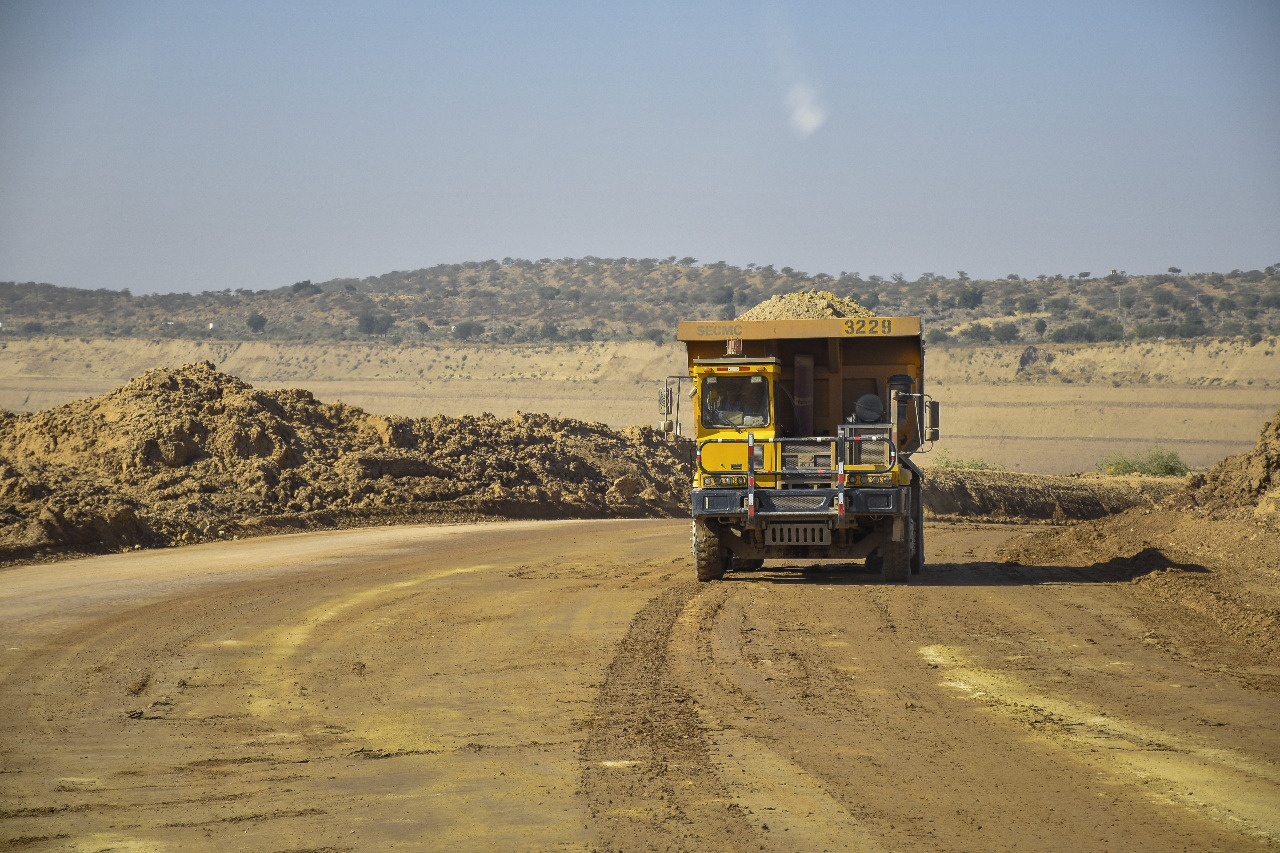
Pakistan’s mineral resources are mainly located in the regions of Balochistan, Khyber Pakhtunkhwa, and Gilgit-Baltistan, which have a long history of being underexplored due to security reasons and a lack of infrastructure. The Reko Diq project, which is one of the largest undeveloped copper-gold mines in the world, has more than 5.9 billion tonnes of ore. If utilized effectively, it can produce billions of dollars in revenue, provide thousands of job opportunities, and positively change the trade of the area. Besides the industrial minerals, Pakistan’s gemstones are estimated to be worth around $450 billion, which consist of emeralds, peridot, ruby, topaz, and aquamarine. However, yearly exports amount to only $5.8 million, highlighting a large gap between potential and output.
The first national policy framework for gemstones has been released by the government in response to systemic weaknesses in the industry, including the modernization of certifications, improvement of value addition, and a goal of $1 billion in exports in five years. The project highlights the development of youth-led entrepreneurship, the use of modern technology, and transparent governance, thus filling long-existing gaps in the industry.
These reforms are necessary, and the larger picture is obvious. The mineral resources of Pakistan, if modernized in a strategic way, could lead to national economic growth, job creation, and technological progress, besides being a significant part of the supply chains of critical minerals in the region.
PMIF26: A Global Platform for Investment
PMIF26 builds on the success of PMIF25, which drew over 5,000 delegates from more than 50 countries and resulted in 14 memorandums of understanding (MOUs). Federal Minister for Petroleum Ali Pervaiz Malik convened a high-level briefing with Pakistan’s ambassadors and high commissioners, urging them to engage with mining companies, investors, and financial institutions worldwide.
“PMIF26 will serve as a key platform for promoting mining awareness, stimulating economic activity, and attracting sustainable investment into Pakistan’s mineral sector,” the minister stated. This year, the forum will include a Strategic Conference, Technical Sessions, an International Gemstone Exhibition, as well as a comprehensive resource library, providing investors with access to data-driven insights and policy clarity.
This is not a ceremonial event like the distribution of Pakistan awards; rather, it is a strategic step to integrate policy, diplomacy, and investment. By creating a transparent, accessible platform for global stakeholders, Pakistan seeks to translate mineral wealth into actionable investment and industrial outcomes.
Pakistani Mining’s Modernization, Transparency, and Local Impact
Prime Minister Shehbaz Sharif has approved international-standard laboratories, certification systems, and centers of excellence for gemstones to boost credibility and attract private-sector participation. Currently, over 5,000 processing units operate across Pakistan. Yet, fragmented oversight and limited technology hinder productivity.
The reforms aim to empower local miners and small-scale entrepreneurs, who historically had limited options regarding how to benefit from the natural resources. In the northern gemstone centers, many families rely on mining and processing for their survival; however, they are denied proper market access, certification, and fair pricing. By integrating local communities into the policy framework, PMIF26 aims to make economic growth not only inclusive but also socially responsible and sustainable.
Moreover, skill development programs, the use of new technologies, and collaboration with the top global industry players are designed to fill the gaps in knowledge and infrastructure, thereby improving both product quality and export potential. The unification of the community, policy, and technology is a prerequisite for transforming Pakistan’s mining industry from a purely extractive enterprise into a strategic engine of growth.
Comparative Benchmarking: Pakistan vs. the World
Globally, mining economies such as Chile, Australia, and Canada leverage resource wealth through structured policy, transparency, and international collaboration. Chile, for instance, accounts for nearly one-third of global copper production and maintains a sophisticated system of resource licensing, community engagement, and value-added processing. Australia has turned lithium, cobalt, and rare earths into a high-tech export economy.
Pakistan, with its vast but underutilized deposits, has historically lagged behind these models. PMIF26 aims to reduce this disparity by demonstrating reforms, fostering international collaboration, and presenting investment-ready projects, thereby giving investors the confidence to invest their capital in the country. By positing itself in a global comparative context, Pakistan is indicating that it is capable of meeting the international criteria for extraction, transparency, and environmental management.
PMIF26’s Strategic and Regional Implications
PMIF26 doesn’t merely refer to the internal economic change in the country. It also aims to place Pakistan as a regional center of strategic minerals that are important for the energy transition, high-tech manufacturing, and global industrial development.
The signing of the MOU between US-based Strategic Metals (USSM) and Pakistan’s Frontier Works Organization (FWO) demonstrates the capability for the transfer of technology, production of critical minerals, and integration into global supply chains. USSM, which is concentrating on the production and recycling of critical minerals, will be working along with its Pakistani partners to uplift mining capacity and output quality. The US Charge d’Affaires, Natalie Baker, remarked that such collaborations help in bolstering the economic connections between the United States and Pakistan and make the strategic importance of critical minerals to both national and global security more prominent.
Experts predict that the comprehensive development of Pakistan’s mineral and gemstone industry could increase GDP by $5-7 billion annually over the next ten years and generate tens of thousands of direct and indirect jobs. The trio of foreign investment, local reforms, and tech improvements could transform the sector from an underutilized resource to a key driver of economic growth.
Mining’s Economic and Environmental Considerations
While potential returns are substantial, careful management is essential. Environmental protection, the provision of a proper water supply and sanitation, and health standards for workers are the basic requirements for sustainable development. The PMIF26 structure has combined discussions on contemporary technology, safety measures, and ESG (environmental, social, governance) compliance in order to reduce the negative externalities that are often linked to the mining process.
Moreover, integrating value addition through processing ores domestically, rather than exporting the raw materials, can maximize the economic impact. This will enable Pakistan to generate high revenues through national supply chains, create skilled jobs, and ensure that local populations directly affected by resource development reap the benefits.
Pakistan’s Future: From Potential to Performance
PMIF26 represents the transition from potential to performance. It is designed to transform policy into tangible results, investment into industrial output, and resource wealth into sustainable development. By fostering transparency, accountability, and data-driven decision-making, the forum aims to bridge the gap between mineral endowment and the actual economic impact.
The human angle is central: small-scale miners, gemstone artisans, and local communities stand to gain through improved access to global markets, modern technology, and certification systems. In this sense, PMIF26 is not just an investor-focused forum; it is a vehicle for inclusive economic empowerment.
Pakistan’s mineral and gemstone sector represents a rare opportunity for transformative growth. PMIF26 aims to attract global investment, promote technological collaboration, and ensure local communities benefit directly from resource development. By implementing policy reforms aligned with international standards, Pakistan is positioning itself as a credible and responsible partner in the global minerals market.
With global demand for critical and strategic minerals rising, Pakistan’s vast reserves — if developed responsibly — can drive national prosperity, enhance regional stability, and strengthen the country’s integration into global supply chains. PMIF26 is more than a forum; it is a strategic milestone that will turn untapped potential into measurable economic and social impact.
About the Author: Saima Afzal
Saima Afzal is an independent and freelance researcher specializing in South Asian security, counter-terrorism, the Middle East, Afghanistan, and the Indo-Pacific region. Her work focuses on geopolitical developments, strategic affairs, and regional conflict dynamics. She holds an M. Phil. in Peace and Conflict Studies from National Defence University Islamabad, Pakistan.
Image: Shutterstock/Jeetash Shivani
The post Transforming Pakistan’s Minerals into Strategic Economic Growth appeared first on The National Interest.
Источник: nationalinterest.org