
«Данное сообщение (материал) создано и (или) распространено иностранным средством массовой информации, выполняющим функции иностранного агента, и (или) российским юридическим лицом, выполняющим функции иностранного агента»
 Topic: Military Administration, and Politics Blog Brand: The Buzz Region: Americas Tags: Congress, Department of Defense (DoD), Government Shutdown, Military Budget, North America, and United States The High Costs of Defense Budget Uncertainty January 1, 2026 By: Elaine McCusker
Share
The ubiquity of budgetary “continuing resolutions”—and, increasingly, short-term government shutdowns—has become a disaster for US national security.
The United States unnecessarily wastes billions of dollars each year—money meant to protect America’s security, which is necessary for economic prosperity and national vitality. Today, the taxpayer is losing an estimated $20 million per day in defense buying power alone as the Pentagon yet again waits for regular annual funding.
The uncertainty in the federal budget that causes this waste is nothing new. It has become so routine that elected representatives often talk months in advance about the need for temporary funding extensions—known as “continuing resolutions” (CRs)—to start the fiscal year. These conversations amount to a declaration of defeat in their primary responsibility as a matter of course.
The Department of Defense has started the last 14 out of 15 fiscal years under a CR, enduring a total of 2,158 days during which it has been unable to move ahead on new programs and priorities. In fact, 2025 was a new threshold of failure, as an annual funding bill was never passed—a disgrace followed by the longest government shutdown in history.
Now struggling under yet another CR through the end of January (adding 79 days to the above total, with the potential for another government shutdown on the other end), the nation is losing millions of dollars per day in buying power that it could be using for ships, drones, space capabilities, training or any other of a myriad unfunded requirements.
What a “Continuing Resolution” Really Costs
Depending on how one calculates all the variables, the taxpayer has lost between $50 and $70 billion in buying power under CRs in the past two years alone. Added to that has been a 43-day government shutdown, during which close to 335,000 defense civilians were furloughed from work—then provided back pay totaling approximately $5.7 billion, eliminating the temporary cost savings from the shutdown. Multiply that across the government, and then add all the other costs yet to be calculated. This is money wasted on productivity lost that can’t be regained.
Unfortunately, as the shutdown shows, the cost of irregular order cannot be solely measured in money. The penalties the Pentagon pays from uncertain budgets are sometimes not immediately visible, but they show up—in training accidents, lost competitiveness, industrial base capacity shortfalls, supply chain vulnerabilities, and, eventually, in damage to America’s economy, security, and safety.
Time and money lost during the government shutdown in October and November are gone for good. The negative consequences to America’s reputation, competitiveness, and readiness will take time to recoup. Moreover, budget instability feeds directly into the strategic narrative of America’s adversaries, who have the most to gain when we provide evidence to support their messaging that the United States is hopelessly fractured, dysfunctional, distracted, and unreliable. In addition to damaging US national security and reputation, everyone who works with or for defense loses. Those with the least ability to absorb disruptions, such as small and start-up businesses, are hit the hardest.
Budget Trouble Has Real Consequences for US Troops
The recent U.S. China Commission Economic and Security Review describes China’s long term goal of displacing the United States as the dominant power while noting Beijing’s support for Moscow and Tehran in prolonging wars of aggression and evading sanctions. The report further observes that Beijing has continued to rapidly modernize its military forces across all domains. Shipbuilding is one of these areas, where China’s manufacturing capabilities outpace the United States by more than 200 to 1.
The rate of serious military training accidents is rising. News of a Pentagon report to Congress shows a doubling of severe mishaps last year compared to the previous four years. Among the contributing causes are increased operational demands, funding interruptions and supply chain disruptions.
The Pentagon is moving ahead on many important efforts—in space, cyber, organizational reform, and acquisition transformation. This is all great stuff. But it won’t succeed or last during CRs or shutdowns.
It is not clear that Congress appreciates the destruction to America that stems from its inability to produce spending agreements. Conversations are already ongoing about how best to gain political leverage in the next shutdown in January—conversations that blithely ignore the damage to US national security that such a shutdown would inflict.
As we enjoy the holidays, we should take a minute to think about those in uniform who are not only sacrificing to put the national security missions of the country first, but who are also doing it unsure if they will have the training, equipment, or even pay that they need—or if they will instead be experiencing a shutdown again at the end of January when the current CR expires.
America needs its elected leaders to work together on an aggressive strategy for adequate defense budgets, reliably sustained and available on time each year. This is not an unrealistic request for our lawmakers. It is their constitutional responsibility.
About the Author: Elaine McCusker
Elaine McCusker is a senior fellow at the American Enterprise Institute and previously served as the Pentagon’s acting undersecretary of defense (comptroller). Her writing on the military’s commissary system has appeared in The National Interest, The Military Times, and The Ripon Forum.
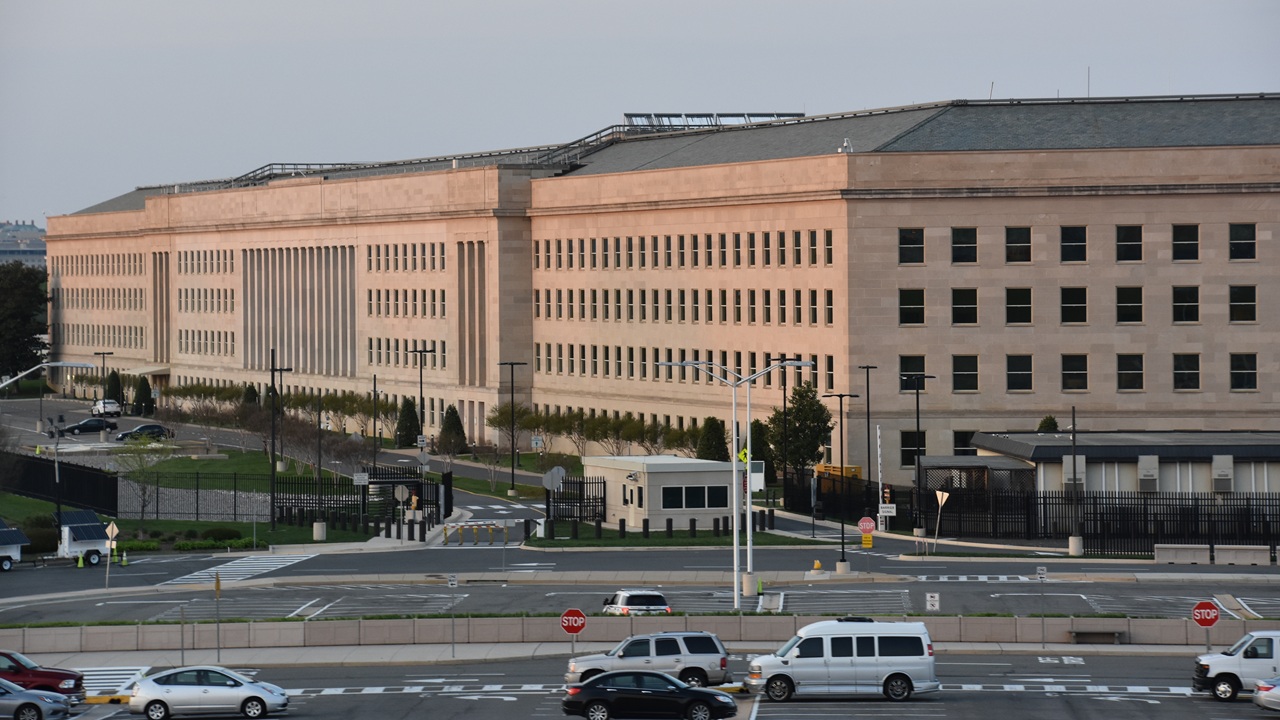
Image: Shutterstock / Ritu Manoj Jethani.
The post The High Costs of Defense Budget Uncertainty appeared first on The National Interest.
Источник: nationalinterest.org