
«Данное сообщение (материал) создано и (или) распространено иностранным средством массовой информации, выполняющим функции иностранного агента, и (или) российским юридическим лицом, выполняющим функции иностранного агента»
 Topic: Air Warfare Blog Brand: The Buzz Region: Americas, and Arctic Tags: Arctic Circle, Defense Advanced Research Projects Agency (DARPA), North America, Radar, and United States DARPA Wants to Turn the Arctic Transparent with New Radars January 18, 2026 By: Brandon J. Weichert
Share
The “Frosty” radar system’s operation is vastly different from existing radars—and could be less disrupted by the Arctic’s harsh conditions as a result.
The race for the Arctic is heating up.
Recently, the Trump administration has called for the annexation of Greenland while the Russians continue increasing their presence in this critical strategic domain. The United States Defense Advanced Research Projects Agency (DARPA) is now stepping into this race with their new program.
The DARPA program has been ominously dubbed “Frosty”—and its entire purpose is to develop an advanced radar sensing technology that can operate in the rough Arctic environment.
Why Existing Radar Doesn’t Work Well in the Arctic
DARPA wants to develop a system where the challenges of detecting and tracking targets on radar in the High North. Thus far, conventional radar struggles working in the region. And this is a vital strategic area, considering many of Russia’s nuclear submarines are believed to constantly use the Arctic as a shooting off point for their warships.
It’s important to understand why most radars struggle to work in the High North. First, the ionosphere at high altitudes is turbulent. Everyone loves the “Northern Lights.” What few people understand is that the constantly changing electromagnetic environment creates a “noisy” medium that scrambles radar returns.
And, because of the climatology and geography of the region, traditional line-of-sight radars have limited impact. This is especially so because such radars operating in the High North have limited reach against low-flying aircraft or show ships close to the horizon.
Right now, DARPA is soliciting industry proposals for daring and signal-processing algorithms and sensing approaches. DARPA wants the new radar to be able to detect airborne targets at (or beyond) around 46.6 miles 7(5 kilometers) in the Arctic. DARPA wants to be able to track targets using raw radar data, too, so that they can produce meaningful tracks in less than 90 seconds.
What’s more, DARPA wants the new system to exploit unconventional radar illumination techniques that pierce the Arctic’s “noisy” environment.
How DARPA’s New Radar Works
Rather than relying on regular radar pulses, Frosty wants noise-like illumination and external fields to help sense targets. There are advanced signal-processing algorithms that can compensate for the distortive effects of auroral and high-latitude conditions. DARPA wants a system that will utilize non-traditional techniques, such as High-Frequency (HF) surface-waves and coherent returns distorted by the ionosphere.
This is all about the signal processing and sensing methods needed to make the Arctic (via radar) more practical and reliable.
Under current conditions, DARPA intends on testing this new technology in central and northern Alaska. The contract calls for a multi-year commitment from whichever defense contractor intends on taking the Trump administration up on the bid. But DARPA wants a demonstration on the books between 2026-28.
The strategic competition for mastery of the High North has reached a new level.
America Needs Better Radar to Compete with Russia
In the years since 2016, Russia has reopened and modernized Cold War-era bases. They have then deployed long-range aviation optimized for polar regions. Russia has deployed long-range aviation optimized for the treacherous Polar routes. As a result, Moscow has positioned itself as a major Arctic player.
America wants to counter these moves.
Frosty isn’t a niche science project. It’s a system that is designed to prevent any surprise attack from befalling the United States from the territory currently possessed by Russia. It’s a true signal that the Arctic is a real battlespace for geopolitical competition.
If DARPA succeeds then they prevent the Arctic from continuing to be a strategic liability for the United States and turn it into a real point of interest.
About the Author: Brandon J. Weichert
Brandon J. Weichert is a senior national security editor at The National Interest. Recently, Weichert became the host of The National Security Hour on America Outloud News and iHeartRadio, where he discusses national security policy every Wednesday at 8pm Eastern. Weichert hosts a companion book talk series on Rumble entitled “National Security Talk.” He is also a contributor at Popular Mechanics and has consulted regularly with various government institutions and private organizations on geopolitical issues. Weichert’s writings have appeared in multiple publications, including The Washington Times, National Review, The American Spectator, MSN, and the Asia Times. His books include Winning Space: How America Remains a Superpower, Biohacked: China’s Race to Control Life, and The Shadow War: Iran’s Quest for Supremacy. His newest book, A Disaster of Our Own Making: How the West Lost Ukraine is available for purchase wherever books are sold. He can be followed via Twitter @WeTheBrandon.
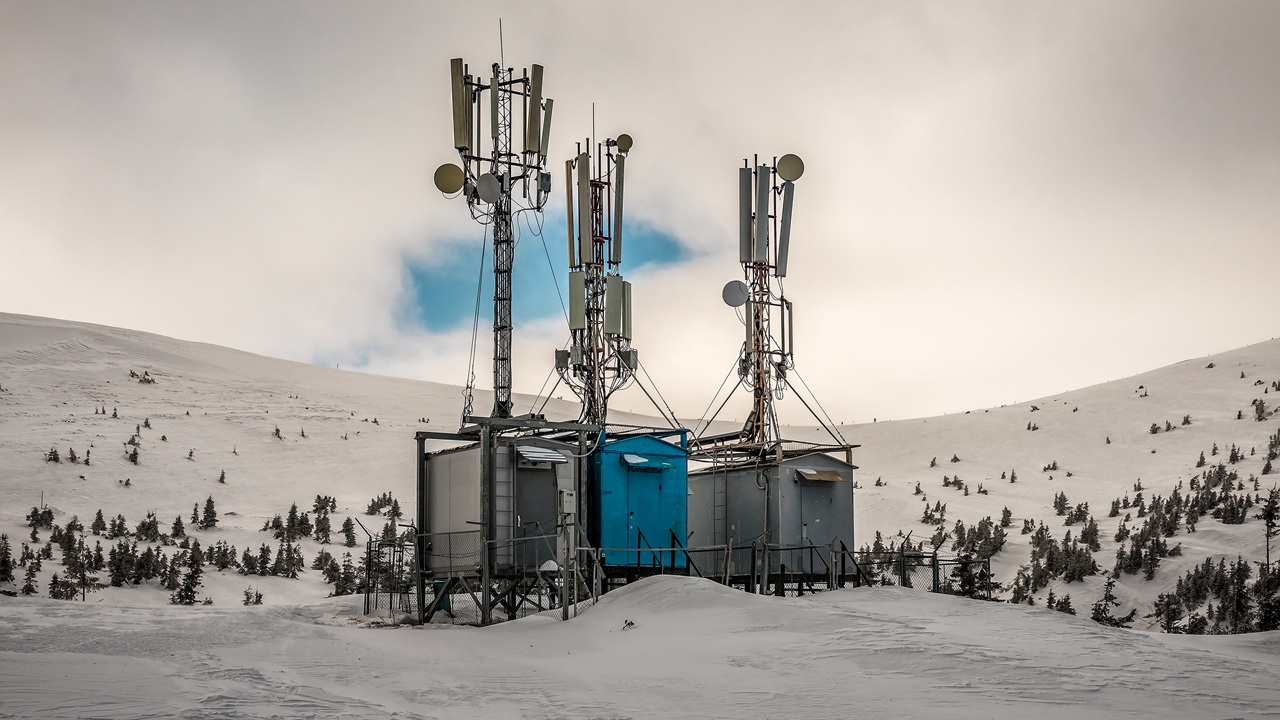
Image: Shutterstock / Vova Shevchuk.
The post DARPA Wants to Turn the Arctic Transparent with New Radars appeared first on The National Interest.
Источник: nationalinterest.org