
«Данное сообщение (материал) создано и (или) распространено иностранным средством массовой информации, выполняющим функции иностранного агента, и (или) российским юридическим лицом, выполняющим функции иностранного агента»
 Topic: Electric Vehicles (EVs) Blog Brand: Techland Region: Americas, and Asia Tags: BYD, China, North America, Tesla, and United States China’s BYD Displaces Tesla as the Global Leader of EVs January 9, 2026 By: Brian C. Black
Share
BYD’s rise reflects China’s scale, pricing power, and policy coherence, while Tesla’s slowdown exposes how US political backlash is reshaping the global EV race.
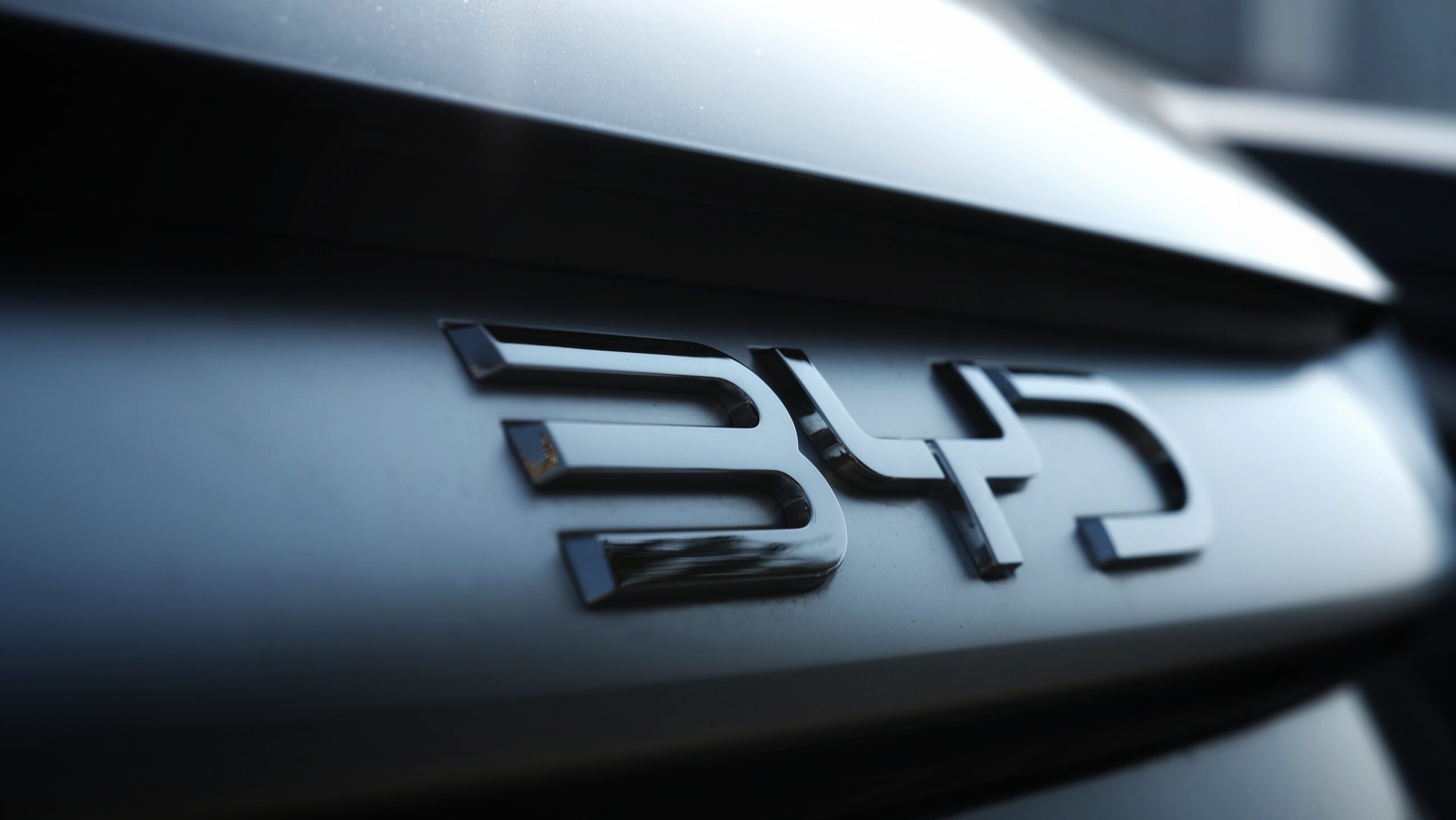
China’s BYD has overtaken Elon Musk’s Tesla as the world’s biggest seller of electric vehicles (EVs), marking the first time it has outpaced its American rival in annual sales.
This startling shift reflects growth and development at BYD; however, it also grows from changes for Tesla, the previous leader. Tesla car sales dropped by nearly nine percent in 2025, to 1.64 million vehicles worldwide. It marks the second consecutive year of falling car deliveries for the company. Those figures placed Tesla behind BYD, which said recently that sales of its battery-powered cars rose last year by almost 28 percent to more than 2.25 million.
BYD’s Successful Growth
China’s EV market, which includes battery-electric vehicles (BEVs) and plug-in hybrids (PHEVs), grew 40.5 percent in the first half of 2025, with Chinese carmakers contributing more to the sector. Firms such as Geely, MG, and BYD have put pressure on Western rivals by pricing their vehicles below established brands.
Each Chinese brand has experienced great growth, but BYD became the nation’s largest carmaker in 2025, holding more than double the market share of its nearest Chinese competitor. The Shenzhen-based company has rapidly expanded, particularly in Latin America, Southeast Asia, and parts of Europe, with the United Kingdom (UK) becoming its largest market outside of China, after sales surged by 880 percent, “driven by strong demand for the plug-in hybrid version of its Seal U sports utility vehicle (SUV).”
This remarkable growth in the EV market, of course, emerged as political disruption affected American manufacturers. At this moment, BYD appears poised to move into the passing lane of EV sales globally.
EVs Emerge in A Green Marketplace
BYD was prepared as the global EV market endured several unanticipated developments. Originally, the hybrid electric vehicle (HEV) sector emerged for auto manufacturers in the late 20th century with innovations from Japanese manufacturers such as Honda and Toyota. In a critical step for personal transportation, the Insight and Prius (and later the Nissan Leaf) allowed consumers to choose to purchase a non-gasoline-burning automobile if he or she desired. This was an option entirely unavailable during the gas crisis of the 1970s!
Particularly through the influence of Toyota’s emphasis on hybrid vehicles during these decades, vehicle purchase became a way for consumers to express a green ethic while comfortably living through transitional years. In the history of our energy transition, the emphasis on hybrid technology (still burning gasoline but combining it with a rechargeable battery) is a reconciliation in this particular moment of transition.
Toyota began this shift with the Prius in 2001 and then extended the technology to most vehicles in its fleet. Market success for hybrids has thus far weathered the political volatility affecting EVs. “The Prius was just this cool little car to save you money and protect us from air pollution,” said Margo Oge, who worked at the Environmental Protection Agency (EPA) and designed the Obama-era fuel-economy standards. “The government didn’t ask for or require Toyota to develop this tech. It wasn’t seen as a mandate as EVs later were.” In short, amid federal mandates and rebates of the Biden era in the United States, the hybrid choice—unlike EVs—was entirely driven by consumers’ individual preferences and understanding.
While the Prius will likely be remembered as the transformative device in this moment of transition, Tesla was the first manufacturer to take the possibility of an alternative-powered vehicle and combine it with more typical consumer priorities: namely, style and prestige. While some entire nations identified alternative energy strategies to create a more sustainable future for themselves, Tesla emphasized products that could be bought by individuals as part of the green marketplace that emerged early in the 21st century.
After a challenging start when green consumers barely provided sufficient business, Tesla emerged as the leader in a rapidly changing vehicle marketplace. The first exclusive manufacturer of electric autos, Teslas were generally not sold through dealers; instead, in many high-end shopping malls. Kiosks allowed customers to custom-design their vehicle and place an order for a Tesla that would be delivered to them. This method helped to emphasize and coddle a high-end, informed consumer who sought an intelligent alternative for luxury transportation.
In many countries, Tesla stimulated sales by also investing in infrastructure such as charging stations and roads made from materials to charge the vehicles. In 2019, Tesla became Norway’s best-selling vehicle brand—of any type—and the nation set the goal of having every Norwegian vehicle powered by electricity by 2025. From serving as the first manufacturer to combine consumers’ interest in a luxury-level automobile with a cutting-edge electric engine, Tesla set a bar that other manufacturers are pursuing as they attempt to electrify. Tesla brought bling and sex appeal to early EVs, which otherwise were often closely related to their golf-cart cousins.
Tesla wowed all observers by selling half-a-million vehicles in 2020.
A Shifting Energy Transition in the United States
Innovation was, of course, just part of the car story. The story of our transition seemed pretty well set at the time of the 2024 US presidential election. Most candidates would likely have determined this cultural shift to be an effective component of any successful run for president, but not Donald Trump.
Defying the swell of popular intrigue for change, Trump, instead, added the energy transition to his list of out-of-control cultural changes to be resisted. On his first day in office, Trump signed an executive order declaring an “energy emergency” and expanded the federal government’s support of fossil fuel development while curtailing support for clean energy projects. Over the course of his first year, Trump opened more than one billion acres of federal land and waters for oil and gas development, revoked regulations on natural gas-fired power plants and on aging coal plants that were in line to be shut down, and repealed subsidies and support for solar and wind projects.
Although these efforts were likely sufficient to temporarily stymy an energy transition in their own right, Trump’s efforts on transportation have been particularly robust. First and foremost, the administration has repealed or blocked the vehicle efficiency regulations on gasoline-powered cars and trucks that were established in 1978. Vilifying the innovations of the HEV marketplace—particularly when Tesla’s Musk became such a vital component of his new administration—left many political pundits incredulous. Identifying the interest in renewable energy and HEVs as a general focus as a “liberal” or Democratic cause, the Trump administration at least temporarily stunted the expansion of the American EV sector and set the table for BYD and others.
A Hybrid Vehicle Present?
The inclusion of EVs as a symbol in American politics was foreseen by some observers. “EVs have become such a partisan thing that they are not defined as cars,” observes Mike Murphy, a Republican strategist who leads the EV Politics Project. “It’s like we are having political fights over toasters.”
Trump consistently expresses a widespread disdain for EVs because he argues that they symbolize government overreach—that the need to finance infrastructure has inadvertently allowed EVs to appear as a federal mandate. A political third rail, efforts to dictate vehicle choice turn off American consumers. In this dynamic moment of transition, EV interest in the United States may temporarily wane while hybrids may emerge anew as the least politically charged vehicle option for American buyers.
BYD clearly benefits from such distraction in the transition of the American fleet and now leads the global EV marketplace.
About the Author: Brian C. Black
Brian C. Black is distinguished professor of history and environmental studies at Penn State Altoona and author, most recently, of Ike’s Road Trip: How Eisenhower’s 1919 Convoy Paved the Way for the Roads We Travel. (Godine, 2024). ENERGY TRANSITION 2025 is an ongoing series to place details of our current energy shift into historical context.
Image: Tyaga004/shutterstock
The post China’s BYD Displaces Tesla as the Global Leader of EVs appeared first on The National Interest.
Источник: nationalinterest.org