
«Данное сообщение (материал) создано и (или) распространено иностранным средством массовой информации, выполняющим функции иностранного агента, и (или) российским юридическим лицом, выполняющим функции иностранного агента»
 Topic: Air Warfare Blog Brand: The Buzz Region: Americas Tags: Defense Industry, Missiles, North America, Raytheon, Tomahawk Missile, United States, and US Navy $785 Million Later, the US Navy Still Can’t Reload Its Tomahawk Missile Launchers January 9, 2026 By: Brandon J. Weichert
Share
Over the past five years, the United States has gone through an estimated 15 years’ production of Tomahawk missiles. This rate is unsustainable for US national security.
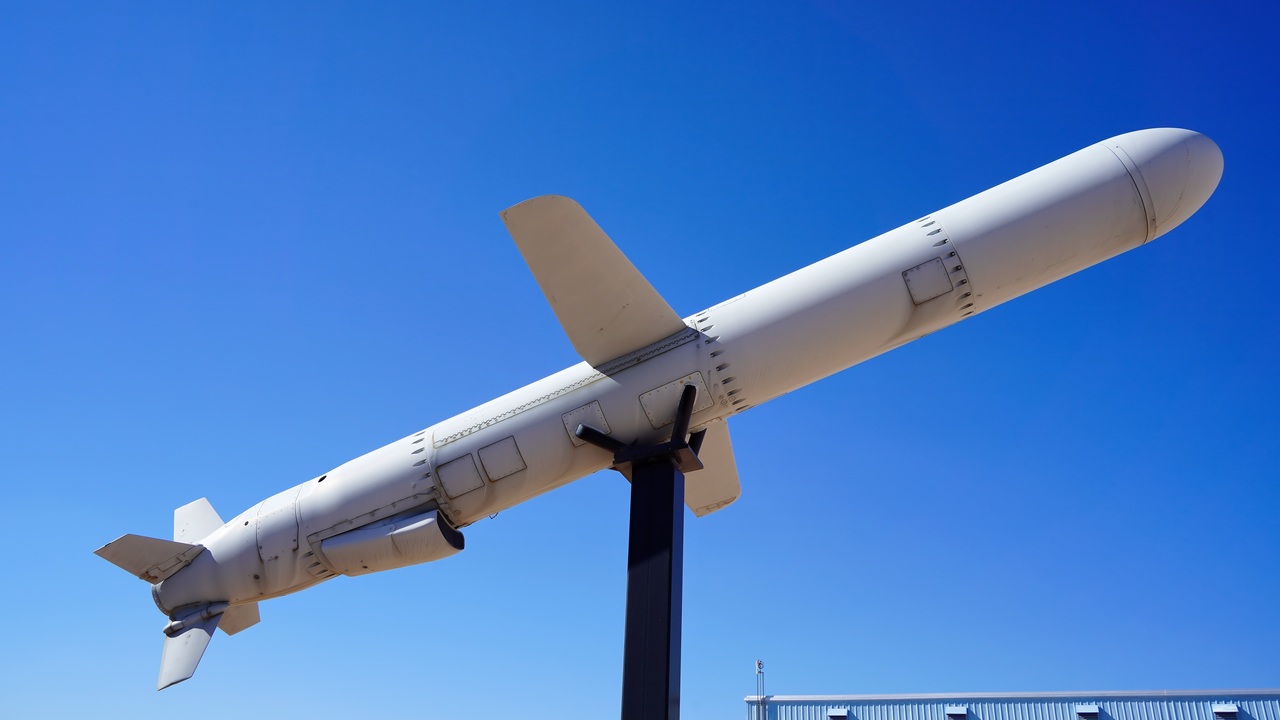
The United States Navy has officially made a significant modification to its existing contract with Raytheon Missiles and Defense for the production of 350 Block V Tactical Tomahawk cruise missiles.
Raytheon Got a Bigger Contract—and Delivered a Smaller Arsenal
This means that the contract will now be worth $785.2 million. Certainly, this is a much-needed development. The United States relies heavily upon the Tomahawk Cruise missile.
Yet, since the start of the Ukraine War, the US military’s arsenal of these weapons has been dwindling far faster than America can replenish them. To be fair, the depletion of these critical—expensive—weapons began long before the Ukraine War. It’s just that the Ukraine War, with its high operational tempo and the extraordinary level of commitment to Ukraine that the US military has, ensured that the weapons would be depleted even faster than they already were being drained.
Last year, NATO Secretary General Mark Rutte understandably lamented that the Russian defense industrial base was able to produce every three months that which the entire NATO defense industrial base could produce in an entire year. Tomahawk production mirrors this general trend.
While more tax dollars have been deposited into the bank accounts of America’s already overpaid defense firms, the rate at which the Tomahawks are being replenished is much slower than the rate at which they’re being expended.
There has been an incredible number of problems with America’s supply chain for these weapons. Bottlenecks reign supreme, notably for things like the all-important rocket motors that form the propulsion system for the Tomahawk cruise missile.
The Pentagon is trying to overcome the shortage of rocket motors by letting small startups, like Anduril, become more involved in their production. Still, this solution is not a panacea to the overall woes of the defense industrial base.
What’s more, the construction of a new Tomahawk can take up to 18 months because of the complex systems that undergird the missile. Indeed, most assessments indicate that the production and deliveries for new Tomahawks are declining. Pentagon officials assert that the expanded contract will ultimately help to overcome the slowed production and delivery rates. But throwing money at problems rarely resolves the actual complicating factors causing the problem.
After Five Years of War, 15 Years of Stockpiles Are Gone
The production lag is astounding, especially when contemplating the fact that, since 2022, the US military has blown through 15 years’ worth of stockpiles in five years. An added concern is that around 50-90 new Tomahawk missiles are barely produced each year.
That’s unsustainable, given the demand placed upon America’s Tomahawk stockpile. Should everything go according to plan with the expanded contract, it’d still be years before the full potential of the contract was realized—and US forces, notably the Navy, could again have a dependable stockpile of these key weapons.
Peace Is the Only Way to Reload
This national security crisis requires more than gobs of tax dollars being thrown at the problem. Instead, the US leadership should drastically ratchet down its commitment to the causes of that depletion—in Europe and the Middle East, for example—and concentrate on making peace. Once an actual peace is restored in these areas, with the United States taking a step back, it can then responsibly replenish its lost stockpiles of critical weapons.
About the Author: Brandon J. Weichert
Brandon J. Weichert is a senior national security editor at The National Interest. Recently, Weichert became the host of The National Security Hour on America Outloud News and iHeartRadio, where he discusses national security policy every Wednesday at 8pm Eastern. Weichert hosts a companion book talk series on Rumble entitled “National Security Talk.” He is also a contributor at Popular Mechanics and has consulted regularly with various government institutions and private organizations on geopolitical issues. Weichert’s writings have appeared in multiple publications, including The Washington Times, National Review, The American Spectator, MSN, and the Asia Times. His books include Winning Space: How America Remains a Superpower, Biohacked: China’s Race to Control Life, and The Shadow War: Iran’s Quest for Supremacy. His newest book, A Disaster of Our Own Making: How the West Lost Ukraine is available for purchase wherever books are sold. He can be followed via Twitter @WeTheBrandon.
Image: Shutterstock / T. Gorhum.
The post $785 Million Later, the US Navy Still Can’t Reload Its Tomahawk Missile Launchers appeared first on The National Interest.
Источник: nationalinterest.org